Hi folks! As is my wont occasionally, I do a post updating on all the things I’ve been up to over that past few months. You’ll notice usually it’s because I’ve done a talk or publication or some interesting research. And, often, it can stray far from the arcades … although there isn’t anything not related to them in my view!
This one’s a blockbuster!
The Story of Melbourne’s Lanes
Unboxing the book!
First up the biggest of big news. In February 2024 when I did one of these updates, I talked about the Melbourne laneways book I’d been working on with fellow authors, Richard Broome, Andy J May and Helen Stitt. Well, we launched the other week!
This book is an update of Weston Bate’s 1994 classic Essential but Unplanned. We’ve swapped the title and subtitle around for 2024, making it The Story of Melbourne’s Lanes:Essential but Unplanned.
After my exciting unboxing event at home a few weeks ago, we launched the book at RHSV (Royal Historical Society of Victoria) on Thursday, 3 October. It was a very, very well-attended launch, with some wonderful speeches and we were thrilled to have some of Weston Bate’s family there to celebrate with us.
Original and updated version added to the ever-growing pile of Melbourne coffee table books!
The book is the brainchild of our fearless leader and driving force, Richard Broome, along with Weston Bate’s wife, Janice. The first half of the book features Bate’s original text and layouts with some minor updates.
Helen did a mammoth and stellar job of sourcing high-res versions of all the images in the original book, for which no original publication files existed.
The second half comprises two new chapters by Andy May, assisted by me, discussing the last thirty-year evolution of the lanes. This is complemented by around 200 brand new all-colour images provided by the Hawthorn U3A Camera Club (and a few by moi), including several ‘then and now’ spreads.
We’ve also updated the fascinating indexes from the original book. One explores the origins of almost 290 lane names. The second is a list of just over 500 lanes we could identify and their presence at certain dates (sometimes a lane has been through more than one name change, which we also tried to track!)
Bate’s original book not only explored those passages we think of as lanes, but also included Melbourne’s arcades and covered passages. This meant that quite a bit of research for my thesis informed the indexes.
But my thesis only covered the nineteenth century, so I had to add to this research and update the book with those built over the 123 years since 1901.
I had done some preliminary work on this for the thesis but not a deep dive, so it was a big task, looking at countless maps, directories and other sources, and walking the city checking for new arcades.
While the book research showed that many lanes and arcades have been built over or demolished, many new ones have also sprung up in their place, particularly in newer developments that draw inspiration from the city’s much-loved lanes and arcades.
The Melbourne Walk was still in the process of building while I was finalising the proofs, but it was included nonetheless!
This includes me, together with Richard and Helen, on 3AW’s Sunday night series, Remember When, with Philip Brady and Simon Owens, which you can listen to on the player below.
Don’t forget too that the festive season is coming. If you celebrate, this will made a fabulous present! You can buy online through RHSV and in selected bookstores. I hope you love reading it as much as we did creating it!
Bury St Edmunds, England & Oakleigh, Melbourne: Connecting Streets
Another couple of projects came my way this year via the Melbourne History Workshop. The first was a small piece of work on the seemingly strange instance of Oakleigh in southeast Melbourne sharing street names with the city of Bury St Edmunds in Suffolk, England.
Andy May was contacted by a journalist, Ross Waldron, from the SuffolkNews about it and it ended up with me, as I was in the depth of street name and Titles Office research for the lanes book.
MMBW detail plan of Oakleigh, 1927, showing Westgate, Hatter, Eastgate and School Hall streets, which share names with streets in Bury St Edmunds, Suffolk. Abbeygate Street, south of Eastgate, is also a Bury street. State Library Victoria
It turned out that someone I knew was involved. Henry de Carle, a goldrush-era immigrant to Melbourne, had speculated in land in the area that was to become Oakleigh, naming the streets in his proposed development after those in his home town of …
… Bury St Edmunds …
To show that all is related to the arcades, I had previously done a little research on his brother Edward, who immigrated with his wife, Elizabeth, and brother, Henry, in 1850. Both brothers were merchants, and land speculators (sometimes in business together). One of Edward’s enterprises was …
Edward de Carle & Co, Auctioneers & Land Agents, token, 1855, for the business Edward opened in the Queens Arcade. Museums Victoria, NU 3677
… The Queens Arcade …
about which I’ve written before, twice. In this case, Edward got together with a syndicate to finance and open the building and had his own business there.
I’m currently writing a podcast episode and I’ll do a more formal blog post or article on this topic at some point. In the meantime, you can read about this interesting story in Ross’s Suffolk News article.
Musical Melbourne: The Making of a Music City
The second activity was a mapping project on the history of Melbourne as a music city, based on the work of Dr Henry Reese, a colleague for many years.
Deriving from his PhD research and continuing interests in sound history, Henry developed a large database tracking music sellers in Melbourne from the mid-nineteenth century to the 1930s.
With Mitchell’s technical expertise (wizardry), we then layered this data over maps of Melbourne from these periods, using the PROV (Public Record Office Victoria) mapping platform, Mapwarper. The platform has thousands of preloaded digitised maps from PROV but you can also add your own.
Funded by PROV, the project resulted in the maps and a video presentation, which we’ve uploaded to YouTube. We are doing more work on this project at the moment, adding further data to the database and likely will come out with an updated video in the future.
My other recent publications are a little less related to arcades but they definitely inform work I’m doing at the moment on those buildings. These all come out of my last few years working in the digital archiving space.
These include two reports for the major project we worked on over the past few years: CADRE (Coordinated Access for Data and Research Environments), building a platform to make research data more accessible.
Our role was to assess the work for its relevance to and possibilities for qualitative research data, leading on from work we’d done previously on archiving, sharing and reusing this type of data, including its ethical dimensions.
It was such a pleasure to be asked to contribute to this volume, and feels like it was, the culmination of ten years working in the field of Education history and sociology.
This was something I really just fell into but has provided a totally different dimension to my academic work and continues to inform my work as a historian and museum and heritage professional.
They also mark the end of an era for me working on various projects in the field over the past decade, including histories of progressive education; placemaking and education; qualitative data archiving, sharing and reuse; oral histories of education; and the ethics in qualitative data research.
Although I still have some writing to work on in that field, I wonderfully have started a full-time role as a historian in the heritage and museum sector; work that is really the coming together of all my history, heritage, and museum career experience over the past couple of decades.
And Back to Arcades
Currently I’m also writing on arcades (of course): a couple of journal articles and several public talks in 2025. This includes one for the Old Treasury Building’s Material Histories online seminar series on the theme The Fashion Cycle: from Retail to Reuse.
I’ll be presenting on the arcades as sites of modernity and commodity consumption, while my friend and colleague Laura Jocic with be talking about the lifecycles and reuse of garments.
And, most importantly, a book that comes out of my thesis research on Australia’s Nineteenth-Century Arcades is underway!
Earrings, Mounted Cameos, in their original box, Thomas Gaunt, Royal Arcade, Melbourne, c1870. Photographer: Rodney Start. Museums Victoria, HT62147, c1870. Collection created by Trevor Hancock and Mark Dale.
Welcome back! This week’s post started off as a very quick musing on something I became interested in during my thesis but had ended up as a dead end. So, I very quickly wrote a ‘short’ post on it, thinking I might just think through some of the issues. Of course, this short post is now a bit of a long read, as I keep thinking of further avenues to investigate and it’s turned out much longer and more intricate than expected. It is now something of a thinkpiece on my own history practices as well as a specific site. But I hope it’s enjoyable for its dive into mid-1800s Melbourne during the goldrush years, layers of urban history, and some of the sources that we look at when doing this type of research.
During the research and writing of my thesis, there were a few arcades that bothered me. With some I couldn’t figure out if they’d been arcades in the nineteenth-century or had been modified in the twentieth. Still others bore the name ‘arcade’ and were mentioned in the newspapers but I was uncertain, if there were no descriptions, that they were the type of arcade on which I was focusing: with shops running along a central promenade (and usually a glass roof). In colonial Australia, the word ‘arcade’ was used for these types of buildings but also others, including large furniture or mixed business shops and, famously, for the Coles Book Arcade in Melbourne.
And then there was the Victoria Arcade in Melbourne. Early on in the research I came across this beautiful image (above) in the State Library of Victoria, depicting a beautifully ornate arcade, with some inscriptions.
Victoria Arcade, now erecting in Bourke Street East
Wharton & Burns Architects & Surveyors 30. Collins Street Melbourne
John Black, Proprietor J.S. Campbell & Co., Lithographers
It also has a small ‘handwritten’ signature identifying the artist: STG – for Samuel Thomas Gill – and the date [18]53.
ST Gill, Victoria Arcade, Bourke Street East, Melbourne, 1853. SLV, H2087
Three years later, ST Gill, would go on to do a small sketch of the Queens Arcade and was to become a well-known and prolific chronicler of goldrush Victoria, including its urban environments. Even later, he would do another lively street scene in front of the Royal Arcade, completed in 1870, also on Bourke Street.
Possibly a companion or slightly earlier piece to that of the Victoria Arcade is another lithograph by Gill (below), also dated 1853, of Black’s Tattersalls Horse Bazaar on Lonsdale Street.
These two artworks demonstrate a grandeur and elegance that Melbourne entrepreneurs and officials were at pains to emphasise during this period, as they tried to ‘improve’ and ‘civilise’ the fledgling city. In reality, Melbourne at the time was far from this, with a rapidly expanding population due to the goldrush. Many still lived in the tent encampment south of the Yarra and other temporary structures, as well as portable (kit) iron and wood buildingsimported from England, were erected to provide residential premises; the city was a building site, as the construction tried to catch up with the needs of the population.
Seeking to take advantage of this was entrepreneur John Black, born in Lancashire of Scottish ancestry. He arrived in Australia around 1852, likely drawn by the lure of the goldrush. Having worked for a London merchant prior to emigration, he promptly set up carrying goods between the goldfields, Geelong and Melbourne (Gibson-Wilde, 25). An advertisement in Pierce’s Commercial Directory from 1853 shows that he also had ‘stores’ on the goldfields, likely supplying a wide mix of needs for miners including food and equipment.
Goldrush immigrants often made more from businesses such as this than they ever would from gold and it appears that Black made a solid fortune in a short time. On 1 November 1853 John Black (as well as a man named Edward Gilbert) obtained an auctioneer’s license in Melbourne, likely in preparation for his two new ventures: the horse bazaar and the arcade.
Pierce’s Commercial Directory, 1853. State Library Victoria
John Melton Black, c1866–1867? Townsville City Libraries via Flickr
Black probably commissioned Gill to make the images of Tattersalls and the proposed Victoria Arcade when one or both buildings were in the planning stages. The Argus reported on the completed horse and cattle bazaar on 14 November 1853, noting it was an arcade-like structure “used for an hotel, livery stables, auction mart, cattle-yards, coach-house, warehouse for vehicles &c” (14 November 1853).
An advertisement from the Argus on 4 November 1853 tells us that plans for the arcade were publicly displayed in the finished bazaar for prospective tenants to view.
VICTORIA Arcade.—Parties requiring Shops in the new Arcade, Bourke street, are requested to apply early. The plans are to be seen at Tattersall’s Bazaar. Lonsdale street east. (4 November 1853, 8)
The Illustrated Sydney News told readers in greater detail about this planned urban enterprise:
COLONIAL ENTERPRISE.—Spacious as Mr. Black’s new Tattersalls, in Lonsdale and Bourke-streets, undoubtedly is, and creditable alike to the proprietor and the colony, it will be thrown completely into the shade by a new arcade which the same spirited speculator is about to erect as a continuation of the new Tattersall’s.
Immediately opposite, and running in a straight line, is the full acre allotment, the property of Mr. [O’]Sullivan, the timber merchant, and this gentleman has leased it to Mr. Black for eighteen years, at a rental of £3000 per annum. On this acre Mr. Black has bound himself down, in a heavy penalty, to erect an immense arcade, to consist of two-storied shops, forty feet high.
The two end buildings leading into Great and Little Bourke-streets, respectively are to be each four story houses; the whole is to be roofed with corrugated iron, and entirely finished by the 1st of April next. Every house is leased already at £250 a year (serving for both residence and business premises,) the tenants each paying down a bonus of £1000 on taking possession. This will probably be the most gigantic undertaking entered into by one individual south of the line. (26 November 1853, 4)
Until I found the Gill Victoria Arcade lithograph, my research suggested that no other building of this type was built in Melbourne between the Queen’s Arcade in 1853 and the Royal Arcade in 1869–1870 (one newspapers made a point of this lack when discussing the latter!).
An arcade named the Victoria – more properly the Victoria Arcade & Academy of Music – was later built on Bourke Street East in 1877, almost opposite the site slated for the 1854 Victoria Arcade. In addition to an arcade with shops, it included a theatre. This later became known as the famous Bijou, which ultimately had greater longevity than the arcade itself. While that is a story for another time, it confused me quite a lot when I found the 1853 Gill image. It was very common in nineteenth-century newspapers to not give a street address, so I wondered, was this an earlier iteration of that arcade? But it could not be as it was clearly identified as being on the opposite site of the street.
I then found a couple of newspaper reports in the 1850s that mention a Victoria Arcade as though it was completed: one year after it was first announced, we see a classified for a ‘Cook-shop to Let, with Fixtures Complete’ is identified as ‘next the Victoria Arcade’ (Argus, 10 November 1854, 3), while Chapman’s Music Warehouse is mentioned at Victoria Arcade a week earlier. Unfortunately, these seem to be simply mistakes of naming: Chapman’s, which was still in existence in the mid-1890s, was definitely located in the Queens Arcade, as many advertisements attest. It seems it would be an easy confusion, the Queen of the eponymous arcade of course being Victoria.
So what was happening here? Was the arcade built or not?
One fabulous source for identifying early buildings and their construction dates in Melbourne are the wonderful leather-bound volumes of building notices from the Melbourne municipal council, now held at Public Record Office of Victoria (PROV). They’re a little tricky to use and it doesn’t help that usually there often only a street name and not an address for these proposals, in the first two volumes at least.
When I delved into them (and it was wonderful!), I found some hints. In the first volume (1850–1853) I located a notice – 1118 for the year – ‘To build a Horse Bazaar’ on July 8 1853, with John Cotter named as builder for owner, John Black. On the next page, we are informed that works had commenced and the fee charged was £4.
But nowhere in late 1853 or early 1854 did I find a mention of a Victoria Arcade (although the Queens Arcade did appear in 1853). In the second volume, though, on 1 June 1854, Black’s name appears in the book at the head of another venture, with the notice of intent ‘to build a theatre’ on Bourke Street. This was the famous Theatre Royal, which opened very late in 1854, renowned in Melbourne until its last performance in the 1930s, but likely partly the causes of Black’s insolvency in 1855.
Looking at other evidence, it becomes clear that the theatre was in fact built on the site slated for the proposed the Victoria Arcade in the Gill image, only 12 months after initially announcing the construction of the arcade.
An amazing c1860 map (known as the ‘Bibbs Map’) has been digitised recently in super high res and added to the City of Melbourne’s wonderful mapping site, with plans and aerial shots of the city layered over time. In it we can see that the Horse Bazaar and Theatre Royal ran in a straight line from Lonsdale to Bourke streets, just to the east of Swanston Street. We also know from the Illustrated Sydney News article above that the Royal was located on the the block of land where the arcade was to be constructed.
‘Bibbs’ map of Melbourne, c1860 (detail) showing Tattersalls Horse Bazaar at c222–230 (in blue) and Theatre Royal at c209–233 (in pink) Little Bourke Street. City of Melbourne Art and Heritage Collection, 1646167. This version is from City of Melbourne’s site maps.melbourne.vic.gov.au
‘Bibbs’ Map, c1856, showing Tattersalls and Theatre Royal. PROV, VPRS 8168/P3 Historic Plan Collection, Unit 46, MELBRL 12 Melbourne: [Melbourne. n.d.]
I’ve not yet located any article that indicates that any decision was made to abandon the arcade nor construct the theatre. Perhaps these will turn up one day – I’ve not given up searching but it’s highly likely Black did not want to make a pronouncement about the change in his plans.
On 23 December the theatre opened but in an incomplete form, with just the entrance buildings and promenade entry completed. That day the Argus advertised the ‘GRAND OPENING of the Lower Saloons and Superb Entrance Hall to the New Theatre Royal, Bourke-street east’, featuring performers such as Mrs Hancock, Miss Octavia Hamilton and infant pianist Miss Minnie Clifford, and performances continued in the promenade – Black perhaps needing to recoup some of the money already outlaid on his building ventures.
Theatre Royal, Melbourne, c1859? Photographer unknown. Copied? by Sears’ Studios, 1933. State Library Victoria, H20742
Looking at commercial directories is also a way to trace the development of buildings in the city. State Library of Victoria (SLV) and University of Melbourne have the well-known Sands & McDougall directories online for a selected number of years from 1857 to 1974 but all are too early for this conundrum.
So, I visited SLV and the helpful staff in the Newspapers & Family History Reading Rooms to investigate the earlier directories – held on microfiche. In Joseph Butterfield’s directory for 1854 (which would have been prepared in late 1853 or early 1854), there was no evidence of Tattersalls or an arcade. But the former appears in the same directory for 1855, named Tattersal’s (sic) Repository and Tattersalls Hotel, as does the Theatre Royal at 73 Little Bourke Street East as ‘New Theatre and Hotel Building’.
It was in fact not until mid-1855 that the theatre was fully completed and finally opened on 16 July. A large article singing its praises appeared in the Argus the week before:
As this magnificent Temple of the Drama is announced to be opened for the first time on Monday evening next, a narrative embodying the history of the edifice, and a description in detail of what has already been effected, may be interesting. … Mr John Black … notwithstanding many impediments which have periodically opposed themselves to the work he took in hand, has now the satisfaction of seeing his design practically carried out. (10 July 1855)
The article praises Black’s vision for the theatre – completely omitting that the site had once been slated for an arcade only 18 months previously. It tells in detail of the architecture and fittings and compares the building to London’s Covent Garden and Drury Lane theatres and the expenditure of £60,000 in its construction (an amount equating to perhaps 9-10 million Australian dollars today).
So, why abandon the arcade idea? Did the cost of the building proposed in the first Gill image prove prohibitive? Did a theatre seem like a more secure return for Black’s outlay? Perhaps with the opening of the Queens Arcade in December 1853, there was insufficient interest in another similar edifice? Ultimately, it was probably a sound decision; the Queens was not a huge success and was converted to a hotel and dining rooms by around 1860, while the theatre lasted in some form for another almost 80 years.
Much of documentation related to the parcel of land since 1851, several years before Black built the theatre, are preserved in the Coppin Collection at State Library Victoria (SLV). Possibly one of the most famous nineteenth-century Australian actors and theatre entrepreneurs, George Coppin, took over the Theatre Royal from Black in 1856. The collection include leases and mortgages, not just for the theatre but also for the lots on which Tattersalls stood.
Prior to March 1854, fellow auctioneer Edward Gilbert took over Tattersalls from Black, possibly to free up funds for Black to build the theatre, and documents related to a mortgage between the two for that land and the Tattersalls business is also contained in this collection. They also show a number of varied interests in the theatre by a number of other Melbourne businessmen. These documents show and intricate and complex shuffling of money to try and finance new buildings in the rapidly growing city.
While the theatre itself was long-lasting, the financial woes of the colony likely caused issues for a number of those invested in both it and Tattersalls, including Black. The same article that praises the new building goes on to indicate that the financial troubles over the past year had made the work difficult. Following the exuberance of the first years of the Victorian goldrush, in 1854 a recession hit, causing significant unemployment (Broome 1984, 87), and this downturn seems to have been blamed for the slow construction of the theatre. As Dorothy Gibson-Wilde notes, several days later, Black was accused by letter writers in the Argus of underpaying workers and owing money to contractors (Gibson-Wilde, 2009, 108). But this was the least of Black’s troubles.
A humorous cartoon from MelbournePunch, 2 August 1855 depicts the Theatre Royal box office, as ‘Mr Fastemanne’ invites two ladies to the theatre. Drawn at the same time many associated with the Theatre were in financial trouble, this perhaps was also a subtle hint at those problems. Artist: Nicholas Chevalier. Engraver: Frederick Grosse. SLV, MP00/00/56/73
We can see from the documents at SLV that huge sums of money were involved in developing both Tattersalls and the Theatre Royal, and that they inevitably bankrupted several people involved with them. The original mortgage above, was in the amount of almost £35,000 that Gilbert would owe to Black, who had spent considerable money on the Tattersalls buildings, and the theatre purportedly cost £60,000.
Gilbert almost immediately tried to lease and then sell the Horse Bazaar and, by June 1855, its abject failure resulted in his insolvency. Losses on the Bazaar totalled over £13,000. In one insolvency hearing in November that year, the Commissioner noted:
the insolvent had placed the whole of his capital in the speculation of Tattersalls, which speculation had unfortunately turned out an entire failure. (Argus, 12 November)
At the same time, Black was also declaring insolvency. While this has been blamed on the expense of the building the theatre and the fact that Black probably wasn’t the best theatre manager, it certainly should also be attributed to the economic downturn. Gilbert’s insolvency report in fact made specific mention of
the period when the insolvent took possession of Tattersall’s Horse Bazaar. The colony at that time was in the very height of prosperity. Speculation and enterprise were driving men on to undertakings of inconceivable magnitude; and there is no doubt that the insolvent was inoculated with the spirit of the times, and with his capital at hand aspired to become the master of a building which presented at that moment a princely fortune. (Argus, 23 August 1855)
But it also seems that those with vested interests in the business blocked him from selling it to Coppin earlier, when he might have broke even. For several years, the shadow of the failure of Tattersalls and Theatre Royal, followed others – also resulting in the insolvencies of Gilbert and Black’s solicitor, Frederic Bayne, who had taken on Black’s interests following the latter’s insolvency, and of John O’Sullivan, to whom Gilbert’s mortgage from Black had been transferred in 1854 (and who is listed as Tattersall’s proprietor, together with E Gregory, in the directory mentioned above).
Black himself got back on his feet, becoming manager of the new Princess Theatre on Spring Street for several years. Later, he moved to Queensland, where he became the founder and first mayor of Townsville, before returning to England in the late 1860s and dying wealthy man in London in 1919 (Gibson-Wilde 1982, 2009).
One of the documents related to the mortgages for the Theatre Royal. Between John Black, John O’Sullivan and Richard Rastall, 3 July 1854. State Library Victoria, Coppin Collection, MS SEQ 8827 BOX 13/3
Despite these beginnings, George Coppin was to make a great success of the Theatre Royal. He put on successful entertainments there for the rest of the nineteenth-century. Although the 1854/5 version was destroyed by fire in 1872, Coppin rebuilt a newer and even more impressive edifice immediately after and the theatre remained a popular Melbourne entertainment spot until its demolition in 1933.
Reading between the lines of these articles, and their silences, does make me wonder if the façade buildings of the theatre were, in fact, originally intended as the front of the arcade, although with modifications to the design. If we look at the images of the original theatre, we see that similar arched windows/entries planned for the arcade are also seen in the theatre entrance building. The centre entrance to the vestibule also mirrors that of the arcade, but with a square rather than curved arch. It also has not only wooden doors on the vestibule entrance but iron gates similar to those planned for the Victoria Arcade and which were common to buildings of this type.
I’ve been pondering this possibility for a long time and have really not come to any concrete conclusions. There were always more and better documented arcades to discuss in my thesis. But this is another rabbithole that I’ve jumped into the last couple of weeks and has led me down an archival adventure to be sure!
Perhaps other sources will also give an idea, such as diaries or letters from the period. I’ll also potentially do a systematic read through the newspapers for this year, rather than simply doing keyword searches in Trove. A few issues arise with searching online newspapers that mean you’ll never be quite certain to capture everything. One is that you inevitably come up with thousands of many options when searching, especially for the word ‘arcade’ or ‘Victoria Arcade’ or even ‘Victoria Arcade’, ‘John Black’, ‘Bourke Street’. Another issue is that often the quality of the printing of some original papers means that the OCR (Optical Character Recognition) doesn’t recognise everything accurately (hence Trove has an army of volunteer editors to correct the final results).
So, that’s where I’m at with it right now with this work-in-progress. When I do a bit more digging, I may have an update.
A postscript though: there is a twist in the fate of the site itself that might have had Black wryly shaking his head. After the Theatre Royal was demolished in 1933, the valuable site saw the construction of the large Mantons department store in modern Art Deco style. This business was eventually taken over by GJ Coles in the 1950s. The facade of Mantons was covered over and it was occupied by a succession of variety stores owned by the parent company of Coles-Myer : Coles Variety, then Target and, in 2021, KMart.
At some point during these changes, probably around 1994, renovations to the building included the formation of an arcade running through from Bourke to Little Bourke and, although modern and utilitarian, it runs just slightly to the left of where the promenade of Black’s planned arcade would have.
Kmart Centre arcade looking from Little Bourke Street end, 2024. The Royal Theatre (and site of the Victoria Arcade) would have been where the main Kmart store is now. Photographer: Nicole Davis
Sign on KMart’s entrance about the site, 2024. The image is actually incorrect. This is not the Theatre Royal but the adjacent Hoyts Esquire/Deluxe movie theatre, later Mantons department store. Mantons later bought the Theatre Royal site to extend their store and built the the new Deco facaded building next to this Federation edifice. (Cooper 2020)
Brisbane Arcade, Queen Street Entrance, 2023. Photographer: Nicole Davis
This year the wonderful Brisbane Arcade celebrates the 100th anniversary of its opening!
In February 1924 Brisbane’s Daily Mail celebrated the progress of the city through the many new buildings constructed over the previous 12 months. Only five years after the end of World War I, the enthusiasm for improvement, demolition of the old city and construction of the new was felt throughout Australia.
In Brisbane, this included the new Brisbane Arcade ‘of brick, with modern shops and plate-glass windows, this is considered equal to the best Sydney and Melbourne arcades, … [which] cost close upon £70,000’ (5 February 1924, 11).
The arcade, leading from Queen to Adelaide streets, is an attractive addition to the city’s architecture. Arcades are a feature of most large American, Continental and English cities—the one now in the course of construction may one day become the Burlington of Brisbane.
The Brisbane Arcade has delighted generations of Brisbane residents and visitors throughout the years. I remember walking through as a young child, thinking what a magical place it seemed to me – particularly the Darrell Lea chocolate shop!
As a teenager, it became a regular thoroughfare as I made my way to meet friends at the Hungry Jacks on the corner of Queen and Albert Streets (the regular meeting spot for generations of Brisbane kids). When I started my first job – Bookworld in the Myer Centre – at the age of 16, it again became my route to and from Central Station. It always seemed quite glam and very expensive at that time in my life but still endlessly fascinating.
Being originally an ancient historian, I sadly didn’t pay much attention to Brisbane’s heritage buildings until a few years after I moved to Sydney and morphed into a museum professional working in Australian history and heritage. It once again became a site that I visited and wandered, now taking more scholarly notice of its architecture and stories.
My PhD thesis on Australian arcades was originally planned to look at those built into the 1920s, including this wonderful arcade, the Johnston Arcade in Terang, Victoria, and the many examples built in regional towns in the early twentieth century. But the sheer proliferation of arcades built in this period meant I had to restrict my study to the five decades from 1853 (the first arcade built in Australia) to 1901 (the year of Federation).
Despite having to move away from this period, I still wanted to hear more about the stories of this building, which has always been a special place for me. This year I’m able to do that, as a Griffith University Harry Gentle Resource Centre Visiting Fellow. After a bit of a hiccupy start to the research a couple of months ago, I’m back in Brisbane beginning the project in earnest.
Group of women modelling fashions from Paul’s millinery, Brisbane Arcade, at race day fashions at Ascot races, Brisbane, 1935. Photograph: The Queenslander, 6 June 1935. State Library Queensland, Neg: 191045
The work focuses on women business owners who occupied shops in the nineteenth-century Queensland arcades, focusing on businesses present from the 1870s to 1920s. I’m hoping to uncover the histories of these women: where they came from, how they financed their businesses, what motivated them to open their own establishment, what the experience was like for them, where they got their stock from, the networks they leveraged to do all of this, what happened to them after they left the arcades and, generally, to bring their stories to a broad audience.
At the end of the research, there’ll be a public talk, a website, a journal article, and a couple of conference presentations, all talking about these women. It will also contribute to a chapter in the book I’m writing based on my PhD thesis.
Brisbane Arcade was in fact built nearly 50 years after the city’s first example, the Royal Exhibition Arcade, down the road on Queen Street, and its successor, the 1885 Grand, straddling the corner of Queen and Edward streets (Tattersalls Arcade today sits on its footprint). Also earlier in Far North Queensland were the Royal Arcade in Charters Towers, built in 1888, and the 1901 arcade built as part of the Townsville Municipal Council buildings in 1901. For more on these earlier arcades, you can see my discussion of them in some earlier blog posts.
While I’m technically not researching the 1920s arcades, I likely will research the Brisbane Arcade for the project because I’d really like to compare both the usage and representation of this arcade with its nineteenth-century predecessors. We’ve already seen above in the list of store owners, many more shops aimed at women customers than those earlier examples. I also suspect when I look at the percentages, there will be a greater number of women owners as well. Many of those discussed above were at least run by women and there is a high likelihood many were owned by them as well.
With the 100th Anniversary celebrations, this week seemed an auspicious time to start on my research, and I’ve done a little on the Brisbane Arcade over the past few days, looking at newspapers and other sources.
Like a number of earlier examples, the Brisbane Arcade had a woman owner: Mary Emilia Mayne and her brother, Dr James Mayne, commissioned architect Richard Gailey Jr to design the building, with construction beginning in 1923. The Maynes were significant benefactors in Brisbane, helping to establish the University of Queensland Medical School at Herston and, in 1926, the land at St Lucia, where the main university campus is still located today. On their deaths, in 1940 and 1939 respectively, they left the proceeds of their estates in trust for the medical school, including the income from the arcade.
Mary Emilia Mayne, 1890 [1870s?]. University of Queensland Archives, S908 p541
Nearly two months after that first article in the Daily Mail, the same newspaper informed their reader about some of the businesses about to open there (30 March 1924, 6). These included a wide variety of women’s clothes and accessories shops such as the Arcadia Shoe Salon; Myrtle Power Salon, selling frocks and table linens; Luxor Shoe Store; Miss Morrie McLoughlin, who sold frocks and gowns; Dulcie Decor’s frocks and wraps; Frank Brennan and Miss Brennan, tailoring and ready-to-wear for women; Jenny Salon, run by Esme Davis [or Davies], high-class costumier; SB Heiser, fine jewellery; Searl’s, ‘well-known Sydney florists’; The Women’s Exchange, with knickknacks and lingerie; and Britton and Williams Cutlery Co.
Unlike the arcades of the nineteenth-century, which aimed at a diversity of businesses to attract both women and men, the Brisbane Arcade seems to have focused quite closely on shops that would attract women clientele.
There is a distinct divide in the March article between the relatively feminine boutiques and the seemingly more masculine real estate agents and brokers and so forth. This may have reflected the changing idea of who a shopper was expected to be, or who the advertising and retail industries were targeting as their audiences, and the emphasis on shopping as a woman-centric pastime.
Staff behind the counter at George E Adams’s cake shop, Brisbane Arcade, c1938. Photographer unknown. State Library Queensland
Looking at the Wise’s Directory for 1924-5 demonstrates that this article gives a good overview of the tenants, but mainly those on the ground floor. There were several other businesses there also, including refreshment rooms: Mrs Edge’s White Swan Café and a restaurant run by the Misses Alford and Watts.
On the first floor this continued with more dressmakers and similar businesses aimed at women, as well as the workrooms of some of the stores on the ground floor such as those of Jenny Salon and Brennan & Co. However, there were quite a few others that would have attracted male visitors.
These included a number of agents, also listed in the newspaper article, on this level (accessed via the balcony that runs along the entire outline of the void). This included AJ Hoye, estate agent; DB McCullough, real estate; John McCormack, house, land and business agent; and Allsop and Taylor, real estate. Also to be found upstairs were Cranfield’s Sports Depot, the Committee of Direction of Fruit Marketing, the Queensland Lawn Tennis Association, the Financial Aid Co and a number of (likely men’s) tailors on the first and second floors.
It seems then that there was an apparent spatial divide along gender lines in the building, at least initially. The ground floor was largely aimed at women clientele or more ‘feminine’ pursuits and interests, while the upstairs tenancies were those more traditionally associated with males or a mixed clientele. This is not to say that men didn’t accompany their female relatives to downstairs stores or food outlets, but that the division of interests by gender was apparent.
Of relevance to my current research project, one noticeable difference between nineteenth-century arcades and the Brisbane Arcade appears to be the real shift in gender balance of those running businesses. Here we see an overwhelming majority are run by women, unusual for the arcades of the previous century, particularly those in Brisbane. We do see women-run businesses to varying degrees in those earlier arcades, but they are by no means in the majority and, in Brisbane, there are in fact far more men listed as tenants.
Brisbane Arcade, interior, 2024. Photographer: Nicole Davis
I’m looking forward to exploring more about these changes over time, and when, where and why differences might occur, including looking through newspapers and perhaps business records of shops or business associations, when I can find them.
For the next fortnight, I’m working in the State Library of Queensland and the Queensland State Archives to start to unpack the stories of the Queensland arcades and their businesswomen and I’m very excited to bring you along with me on this research journey. I’ll be posting on my Instagram a bit along the way, so please join me!
I still have a bunch of three-quarter drafted posts, which are actually about the history of arcades, but thought today I’d give an update on research life lately.
I’ve been working hard with my fellow authors, Richard Broome, Andrew J May and Helen Stitt on a thirtieth anniversary edition of Weston Bate’s Essential but Unplanned: The Story of Melbourne’s Lanes, which will be released later this year by Royal Historical Society of Victoria and State Library Victoria. Bate also included the city’s arcades, many of which join up with the lanes, an essential part of the way we move through and experience the city.
For me, this has involved two seemingly diametric activities. Often it has consisted of sitting at a desk staring at directories, maps, and spreadsheets to work on tracking the histories of the lanes. But it also means extensive walking around Melbourne’s CBD to see if certain lanes actually still exist in our rapidly changing cityscape or determining some other aspect of their location past or present. On those days, my 10,000 steps are easy to achieve!
Working away at Royal Historical Society of Victoria on Melbourne laneway histories with very old and very modern sources!Exploring Melbourne’s lanes on foot is rewarding … but gosh my feet get sore! Amazing mural by Gadigal artist Jeswri (Jesse Wright) in Equitable Place.
It’s been really amazing discovering unknown corners of Melbourne, as well as seeing the history of its arcades: from the long-gone 1853 Queen’s Arcade to the most recent iteration, the Melbourne Walk, a combined arcade and laneway complex, which should open towards the end of 2024.
The book is accompanied by an exhibition at RHSV, Melbourne’s Storied Laneways, curated by David Thompson, which opens 11 April. Further details can be found on the RHSV website.
There’s actually an important story for me with this book, but I’ll reveal that when we launch!
In other exciting news, my latest journal article came out! It was submitted in October 2022, prior to my PhD being finalised, and is actually based on one of the thesis chapters. ‘”One of the Sights of the Colony“: Australia’s Nineteenth-Century Arcades’ appears in History of Retailing and Consumption. This is part of the new special issue on Australian retailing, edited by Matthew Bailey, one of my colleagues at Macquarie University. It is not open access but people can contact me for an author’s digital print of the article if they don’t have university or other library access. The abstract gives you an idea of the focus:
The arcade is a nineteenth-century architectural and social form long associated with industrial modernity and consumer culture. Better known in the British and European urban landscape, they were also significant in the Australian colonial context from 1853 onwards, in numbers rivalling those in the so-called ‘metropole’. Australian entrepreneurs, architects and shop owners utilized what was seen as a very European form to represent the progress and civilization of the Australian colonies and their urban spaces, both in capital cities and smaller regional centres. The arcades, including their presence in the landscape, their architecture, and the commodities and leisure activities found within, were regularly invoked by boosters in order to demonstrate the sophistication of these colonial urban spaces. This article briefly discusses the history of the nineteenth-century Australian arcades, the boosterish discourse that promoted them, and how their representation was a way to express the place of the Australian colonies within a transnational milieu.
It was wonderful participating in this special issue with Matt and other colleagues who work on shopping, retailing and business history. Matt also gave a great overview in the introduction to the special issue of all the authors’ work, which is well worth reading too.
Queen Victoria Markets Building (now, QVB), 1898. Photographer: Charles Kerry. City of Sydney Archives, SRC18023
Another publication also hit the virtual shelves in December 2023, a book chapter also written with colleagues, this time from my other life working on the history and sociology of education. Although it seems somewhat different, for me all these topics tie into aspects of my wider interest in urban history, just from slightly different perspectives. This is, wonderfully, open access and represents just one of the outputs from an ongoing transnational collaboration, Connecting History of Education, involving academics from all over the world and led by a team in Spain.
takes up the invitation to map the development of the history of education as a disciplinary field, traced through the activities of discipline associations and journals in two contrasting regions, Australasia and Northern Europe. Defining and putting parameters around these regions is of course a problematic endeavour, replete with longer geopolitical and imperial histories, including the positioning of some regions, such as Australasia, as somewhat peripheral or marginal to developments in northern metropolitan centres. While a full consideration of these matters is beyond the scope of the chapter, we note them at the start in order to signal the larger contexts both framing and unsettling these mapping exercises. There is also considerable heterogeneity within these broadly defined regions. Even so, looking at them side by side has revealed some common concerns and also some important differences in how the journals conceived of their mission in relation to issues of national histories and international outlooks.
More exciting things have been happening too but I’ll just mention one. Last year I was awarded a 2024 Visiting Fellowship with the Harry Gentle Resource Centre at Griffith University, Brisbane.
Harry Gentle was a Griffith University alumnus who studied politics and history in the 1980s at the Griffith School of Humanities. He left a generous bequest upon his death to support the study of Australian colonial history. The Harry Gentle Resource Centre (HGRC) at Griffith University was established to promote the study of the peoples and lands of Australia, with an initial focus on the area that became Queensland and its borderlands in the nineteenth century.
My fellowship is taking my thesis work a bit further, in preparation for writing a monograph on Australia’s arcades.
The project will explore the experiences and networks of nineteenth-century Queensland businesswomen. It examines establishments owned or run by women, and commodities or services they provided, in four arcades built during this period – in Brisbane, Charters Towers and Townsville. Sometimes disguised behind male relatives acting as faces of the businesses or historiography overlooking their participation, these women played a vital role in the Australian colonial economy and represented significant networks in global exchanges of goods, ideas and people.
Earl of Hopetoun, Governor-General of Australia, unfurls the Flag at the opening of the Townsville Municipal Buildings, 16 September 1901. The building’s arcade is under the dome at right of image. Photographer: WJ Laurie. Citylibraries, Townsville.
I’m excited to be heading up there next week to begin my first couple of weeks of research. It will be great to meet the team at the centre and also catch up with friends and family in Brisbane.
I’ll likely be reporting on the fellowships a bit on my Instagram and Facebook page, so follow me and see what I discover!
Rundle Street, Adelaide, looking east, 1888. The Adelaide Arcade with its great dome can be seen at right centre. Photographer unknown. State Library, B2898
The arcades were a significant component of the leisure and commercial life of the nineteenth-century Australian city. In Adelaide, an adjoining complex of two arcades was constructed in 1885: Adelaide Arcade and Gay’s Arcade. These still exist today and have become an iconic part of the city’s urban environment.
Adelaide Arcade, Rundle Street Mall, 2023. Photographer: Nicole Davis
Last October I travelled to Adelaide for research as one of the fortunate recipients of a 2023 Jack Cross Fellowship from the Friends of South Australia’s Archives (alongside Robyn Dunlop from University of Newcastle). The organisation inaugurated the fellowship in 2022 in honour of Jack Cross, their longest-serving President. This post is an edited version of the article I wrote for their December 2023 newsletter, which explained that the ‘Fellowships are awarded annually to support researchers of South Australian history to pursue research in archives, with a focus on the use of South Australian resources.’
Architectural Plan for Adelaide Arcade, 1885, Withall & Wells Architects. State Library of South Australia, PRG 1431/1/2
As part of my 2022 thesis on Australia’s nineteenth-century arcades, I did some extensive research into these buildings but in-person archival research was stymied by COVID-19. The generosity of the FSAA gave me the opportunity to begin to undertake an initial scoping visit, which will add nuance to the book I’m writing based on my thesis.
Cost sheet for Adelaide Arcade, with estimate of total cost of buildings (30,000 pounds), with price of fixtures, architectural fees and estimates of rent, 1885. State Library South Australia, PRG 1431/2/1
During the visit I examined the resources available in some of the Adelaide archives, which will allow me to further explore the histories of this site and those who were connected with it – architects and owners, shopkeepers and workers, shoppers, and other visitors – during the nineteenth and early twentieth centuries, as well as its businesses and the goods and services traded within.
Cash books relating to the management of Adelaide Arcade by Bullock & Wilkinson, Land Agents, 1924–1927. State Library of South Australia, BRG 64/23/1 & 2
Although this was intended as a scoping visit, it was a very fruitful and yielded a rich range of material. I spent a week in Adelaide, visiting State Library South Australia, the City Archives, the Architecture Museum at University of South Australia, and special collections at University of Adelaide. During my visit, I was able to digitise a large amount of primary manuscript and published material relating to the long history of the sites, including original plans, images, letters, and other sources not available online. I also accessed a wide range of publications from the twentieth century to today that revealed the importance of this heritage site to Adelaide, its history, and present day placemaking.
Newsclippings from The News, 10 July 1935, showing impression of the proposed remodel of the Adelaide Arcade, with new shopfronts replacing the nineteenth-century originals. Architecture Museum, University of South Australia, GRIGGS, Harold Thomas COLLECTION S167/4241
Although time did not permit me to visit State Records South Australia, I plan to return in 2024 to examine their small collection of related records, as well as to delve further into the City Archives, which has a large amount of material but requires some intensive investigation and sifting through indexes and boxes to find the relevant information. Also, the National Trust of South Australia, while they did not have any records of relevance, suggested that I visit the South Australian Heritage Council, which will also be in the plan for next visit.
Objects in the museum, Adelaide Arcade, 2023. Photographer: Nicole Davis
Two other valuable contributions arose from the work. The first was the ability to (finally!) visit the arcades in-person for the first time since the very beginning of my thesis. I closely observed the architectural details, the changes made to the site over the years, and some of the similarities with one of Melbourne’s (sadly demolished) arcades, the Eastern on Bourke Street. Experiencing the site in person provided a more complex understanding of its place in the city and also allowed me to view the museum, which has printed material and objects related to the arcade, the latter of which are often very difficult to find or identify.
Adelaide Arcade viewed from upper level at Rundle Street end, c1885 (probably opening day, 12 December 1885). The man at right is likely the Arcade’s caretaker, Francis Cluney, who died in 1887 in the arcade in an industrial accident. Photographer: Samuel White Sweet (arcade tenant). State Library South Australia, B7496
Central promenade of Adelaide Arcade, 2023. Note the gallery/balcony, added during renovations during the 1960s. Photographer: Nicole Davis
It was also great to see what shops are there today and notice the people enjoying the building. Secondly, I met library and archives staff who were wholly generous with their time, expertise, and knowledge of the city. They picked out material and publications for me to view that I hadn’t already identified and were really valuable to the research. It was also really fantastic to immerse myself for almost a week in the lovely city that is Adelaide!
The disused basement, formerly tearooms, still visible through glass, Adelaide Arcade, 2023. Photographer: Nicole Davis
From here, I intend to further explore this topic and analyse the large amount of material that I collected while in Adelaide, which will contribute to my book on Australia’s arcades, as well as an online exhibition and website project that I hope to produce in the next year. The research conducted in Adelaide will also likely provide evidence to support a larger application for funding to delve further into the history of the arcades and the next phase of research to be conducted in 2024.
Adelaide Arcade, Rundle Street Mall, 2023. Photographer: Nicole Davis
I am greatly appreciative to the Friends of South Australia’s Archives for the Jack Cross Fellowship and will keep you up to date with further work on my research and, in the future, you’ll see an article on the arcades and their history right here.
Eastern Arcade, Bourke Street, Melbourne, 1875, with banner for US Minstrels and images depicting the players. Photographer: NJ Caire/Anglo-Australasian Photo Co. State Library Victoria, H84.3/11
The Queen’s Arcade on Lonsdale Street in Melbourne, after renovations, reopened to great fanfare in March 1856, with a military band and a fountain of eau de cologne supplied by arcade fancy goods’ dealer Levy Bros, as well as
musical entertainments … varied by the performance of a powerfully toned apollonicon [a large barrel organ], which is intended in future to play at stated periods during the day, and thus prove a continual attraction to the passer-by to make use of this elegant avenue as a lounge
Arcades are often thought of purely as places of commodity exchange or places to eat and drink, with retail shops and tearooms often the focus of discussions both popular and academic. As I argue in my thesis, the arcades in fact reflected broader social and cultural aspects of urban life, with a wide variety of entertainments, including theatres, dance halls, hotels, balls and music in the promenades, and amusement parlours. As I note in Chapter Five, following James Lesh, arcades ‘catered for colonial Australian thirst for “amusements, performances and hospitality: novel forms of leisure and entertainment”[1] that were part of the global experience of modernity, many of which they might find within’ [2].
The entertainments in the arcades ranged in type. While there were more refined shows, such as art shows and elegant balls, displays at the ‘cheap amusement’ end of the spectrum were also found in these buildings, demonstrating the appetite for ‘new and innovative entertainments, many of which utilised new technologies in their presentation’ [3] but might also utilise the fantastical or seemingly strange to amuse patrons. While spectacle was a key component, these amusements might also be considered educative, about current or historic people and events, or new ideas and technologies.
In the Eastern Arcade in Bourke Street Melbourne, there were a variety of such cheap amusements, as well as businesses that straddled the line between entertainment and health and wellbeing, such as phrenologists and fortune tellers. As these latter characters are the focus of the work of other scholars [4], I’ll focus here on the other amusements present in this building, but in another post, I might talk about these people in other arcades!
One of the other business-owners in the building also thought of innovative ways to attract people to the building. In 1879 fancy goods dealer Isaac Solomons hosted the Great American Pantechnetha in conjunction with a fancy bazaar, which featured panoramas of ‘the Prussian & Russian wars and views of the principal cities in Europe – surpassing anything ever seen in the Australian colonies’. He also later paid Dominick Sonsee, ‘the smallest man in the world’, to appear and hold an ‘at home’, where he chatted with visitors about politics and current events. Sonsee later, however, took publican Thomas Bentley to court over non-payment of the fee from Solomons, which Bentley had allegedly accepted on Sonsee’s behalf but not passed on, with newspapers rueing that Sonsee had been taken advantage of and portraying him in a pitying light.
Carte de visite advertisement for appearance of Dominick Sonsee at the Eastern Arcade, c1880. Photographer: William Burman. National Portrait Gallery, 2014.5
Bourke Street in the area of the arcade was well-established as the heart of Melbourne’s popular entertainment during the late 1800s. The atmosphere was beautifully described around 1912 by future journalist, Hugh Buggy: ‘a non-stop vaudeville show … [with] its music halls or “academies” of music, its billiard parlours, its shooting galleries, and a waxwork chamber of horrors … it was the heart of Theatreland and the stomping ground of sports.'[5] Both the Eastern and the Victoria Arcade and Academy of music on the next block contributed much to this atmosphere. These entertainments and others at the Eastern Arcade show that the life of the surrounding streets entered the once-imagined refined confines of the building and may have contributed (along with larrikins, phrenologists, fortune tellers, theatre connections, and murders) to its poor reputation from the 1890s to 1920s.
Grand Arcade (second from corner at left), c1889. Photographer unknown. State Library Queensland, Negative: 100723
Heading north to Brisbane, Henry Morwitch’s Grand Arcade, which seemed to have a regular program of public events, hosting ‘a variety of entertainments and amusements on offer ranging from carnivalesque to the refined’. [6] In 1889, it featured a sideshow-type performer, Fedor Jeftichew, who experienced hypertrichosis, leading to excess body hair, billed as ‘Jo-Jo the Russian dog-faced boy‘. Demonstrating the transnational movements of so many of these entertainers across the globe, Russia-born Jeftichew toured England, Europe and Australia, originally with US showman and circus owner, PT Barnum, who satisfied the public appetite for shows featuring those advertised as ‘monsters’.
Description of Charles Woodroffe’s show in Maryborough, Queensland. Maryborough Chronicle, 30 August 1887, 2.
Poster for Woodroffe’s brother’s show in Utica New York, 1881. Rakow Research Library Special Collections, Corning Museum of Glass, Flat Files (Unit 31, Drawer 6)
While these are just a snippet of the types of ‘cheap amusements’ that could be found in the Australian arcades in the nineteenth and early twentieth centuries, they demonstrate the diversity of the types of entertainments that were available. Their presence indicates that arcades were not just sites that would attract the town elites but had a wider class of visitor. While the Eastern Arcade spatially was embedded in Melbourne’s entertainment district, the Strand was in a more apparently refined location on Pitt Street, in the shopping heart of Sydney, although relatively close to the theatre district on King Street. The presence of such amusements widen our understanding not only of the types of businesses found within arcades but also their visitors, breaking down the idea that these buildings were only the preserve of middle-class or elite shoppers and tea-drinkers.
At the same time, these examples also give insight into the global exchanges that took place in the arcades beyond those of commodities. These travelling entertainers often hailed from North America, Europe or Britain, and elsewhere across the the globe, and travelled independently or as part of troupes, sometimes managed by entertainment entrepreneurs such as Coppin or Barnum. They utilised a variety of genres and techniques, including music and dance, as well as technologies driven by steam and electricity [8], wax modelling, and glassblowing in order to amuse and delight their audiences within the arcades.
Learn more
On 31 October 2023, Dr Alexandra Roginski, a fellow Professional Historians Association (Vic & Tas) member, and Professor Andrew Singleton from Deakin University are presenting ‘An Evening of Mystery in the Eastern Arcade: Phrenologists & Spiritualists’ at the Victorian Archives Centre and online. It should be a great talk, so book via Eventbrite! I’m so looking forward to it!
Hugh Buggy, The Real John Wren (Widescope International, 1977), quoted in Otto, Capital, 47–48.
Davis, ‘Nineteenth-century Arcades in Australia’, 192.
Rebecca C Hopman, ‘Demonstrations Gain Steam’, Journal of Glass Studies 62 (2020): 281.
See for example: Henry Reese, ‘”The World Wanderings of a Voice”: Exhibiting the Cylinder Phonograph in Australasia’, in A Cultural History of Sound, Memory, and the Senses, edited by Joy Damousi & Paula Hamilton (Routledge, 2017)
Other Sources & Further Reading
Mimi Colligan, Canvas Documentaries: Panoramic Entertainments. inNineteenth-Century Australia and New Zealand (Melbourne University Press, 2002).
Corning Museum of Glass, ‘The Grand Bohemian Troupe of Fancy Glass Workers|Behind the Glass Lecture’, 19 January 2019. YouTube.
Clay Djubal, ‘What Oh Tonight: The Methodology Factor and Pre-1930s’ Australian Variety Theatre (with Special Focus on the One Act Musical Comedy, 1914–1920)’ (PhD Thesis, University of Queensland, 2005).
Harry Gordon, ‘Buggy, Edward Hugh (1896–1974)’, Australian Dictionary of Biography.
Andrew May, ‘Bourke Street’, eMelbourne: The City Past and Present.
Official Record Containing Introduction, History of Exhibition, Description of Exhibition and Exhibits, Official Awards of Commissioners and Catalogue of Exhibits. (Melbourne: Mason, Firth & McCutcheon, 1882), 434, 648.
Kristin Otto, Capital: Melbourne When it Was the Capital City of Australia, 1901–27 (Text Publishing, 2009), 47–75.
Henry Reese, ‘Spectacular Entertainments at Edison Lane’ (parts one and two), State Library of Queensland Blog, 20 December 2022.
Henry Reese, ‘Settler Colonial Soundscapes: Phonograph Demonstrations in 1890s Australia’, in Phonographic Encounters: Mapping Transnational Cultures of Sound, 1890–1945, edited by Elodie A Roy and Eva Moreda Rodriguez (Routledge, 2022), 60–77.
‘The Great Exhibition, 1851: Philosophical instruments by Deleuil 1851’ [photograph], Claude-Marie Ferrier, RCIN 2800038, Royal Collection Trust.
Richard Waterhouse, ‘The Internationalisation of American Popular Culture in the Nineteenth Century: The Case of the Minstrel Show’ Australasian Journal of American Studies 4.1 (1985): 1–11.
Richard Waterhouse, From Minstrel Shows to Vaudeville: the Australian Popular Stage 1788–1914 (NSW University Press, 1990)
Richard Waterhouse, Private Pleasures, Public Leisure: A History of Australian Popular Culture Since 1788 (Longman, 2005).
Alexa Wright, Monstrosity: The Human Monster in Visual Culture (Bloomsbury, 2013), 84–85.
Hi everyone. Well, it’s been a crazy busy few months. When is it not?
So much has happened that I want to quickly tell you about.
Well, I had my first holiday in about five years, when I travelled to Ireland, Scotland and England in July. I mostly did lots of hiking, did some pilgrimages to places where my family emigrated from and looked at many many many museums and built and natural heritage sites, which was really inspiring for my thoughts on, practice in and teaching for that space.
The amazing Great Blasket Centre, a museum in Dingle, Ireland, about the now largely abandoned islands just off the coast. Probably one of my favourite museums ever. So well designed and curated, with stories and objects that really get to your heart, especially if, like me, you have family connections with the region.
I also presented a paper at the fiftieth anniversary conference of the Urban History journal, The State of Urban History: Past, Present, Future, in Leicester. Invited to be part of a panel on Globalising Australian Urban History, I presented some work from my thesis research that didn’t quite make it into the thesis in much detail.
It was fantastic to speak about new work along with other historians of Australian urban landscapes: Simon Sleight, James Lesh, Anna Tenby. Most of us stayed onsite and agreed that it was one of the best conferences we’d been to in a long time. My paper, ‘Arcadian Dreams: Regionalising Australian Urban History’, examined nineteenth-century Australian urbanity through the lens of the arcades, often viewed as a symbol of urban life throughout the globe during this period.
It explored several case studies of these buildings constructed in towns and cities outside the colonial capitals in this era, including their architecture, the shops and other businesses they contained, and the language that surrounded them in print media. I ask in it if, by looking at and comparing these sites across the regional/metropolitan divide, we can gain a better and more nuanced understanding of what it meant to live and be urban in nineteenth-century Australia.
Inside courtyard of Leicester’s wonderful fourteenth-century Guildhall
After the conference we also got to have a little tour around Leicester on the final day and see their amazing fourteenth-century Guildhall (and the carpark where Richard III’s remains were found, which is a site of pilgrimage itself). After that, I had a well-deserved six weeks off and largely spent my time hiking in the Scottish Highlands, followed by a few days in London, and one little visit to the archives in Bedford to research for a paper I’m giving in October.
The luckiest shot ever. Torridon Estate, a National Trust for Scotland natural heritage site. There is a deer park and museum there but this was in a random carpark I pulled in to so I could take a photo of the mountains. This deer was VERY comfortable with cars and people!
The fabulous 1879 Royal Arcade in London. Less well-known than the nearby and much older Burlington, it’s nevertheless also spectacular and really reminds me of some of the aspects of both the Block and Royal in Melbourne
In August I also presented a longer version of the Leicester paper for the University of Melbourne, School of Historical & Philosophical Studies Brown Bag Seminar Series, and am currently working on it for a journal submission. I also presented a new paper in September, ‘One of the Sights of the Colony: Australian Ninteenth-Century Arcades’, at the European Association for Urban History Online Symposium, Exchanges: European Cities and the Wider Urban World. Based on one of my thesis chapters, this is coming out soon as an article in the History of Retailing and Consumption journal special issue on Australian retail history. It looks at how the arcades were represented in the print media in the nineteenth-century as sites of progress and civilisation in settler colonial Australia.
In other exciting news, at the end of June, Temporality, Space and Place in Education and Youth Research, a co-edited collection, produced with Julie McLeod, Kate O’Connor and Amy McKernan, released! A fantastic group of articles from scholars globally, ‘it explores the everyday ways in which time marks the experience of education as well as the concerns and methods of education and youth research’. We are having a launch on 26 October in Melbourne and would love to see you there. Details and bookings can be found on Eventbrite.
In the same month, a project that for which I was a research assistant, including deciphering the handwriting of some early nineteenth-century clerks in the Ordnance Survey Offices, culminated in a book publication. Isabella Alexander’s Copyright and Cartography: History, Law & the Circulation of Knowledge ‘explores the intertwined histories of mapmaking and copyright law in Britain from the early modern period up to World War 1, focusing chiefly on the 18th and 19th centuries’. I also did the copyedits for this publication and it was such a pleasure to see it come to fruition after being involved with it for several years.
The biggest news though, is probably, GRADUATION! That’s right. All that hard work culminated in a fantastic ceremony at the Royal Exhibition Building in Melbourne, where I got to wear the funny hat and celebrate with friends and family. It was really quite special not only graduating but in a building that is intimately related to the topic of my thesis on the arcades.
On that note, signing off for now! I’ll have some actual history writing on the arcades for you very very soon.
Feature image: Night of the referendum on Federation of Australia, Charters Towers, 1900, with Royal Arcade at far left. Marion Photos. State Library of Queensland, Negative number: 25141
Feature image: celebrating 130 years of the Block Arcade, while lining up to buy Easter treats at Haighs, April 2023
The blog is back! I’ve been on hiatus for the past couple of years with posting to the blog and working on the website. Like everyone, I’ve had a crazy ride since the last time I posted here. So what’s been happening? Here’s a quick rundown, along with some photos of life over the last few years.
In March 2020, I was living in Thailand where I’d been living since late 2019 and expecting to stay for another six months. My thesis writing was going really well and I’d expected to finish it in the time I had left in Thailand. But, in the end, I rushed back to Australia on the last day that Singapore Airport was open before COVID-19 closures.
My office view on Koh Phangan in 2019. It was tough, I’m telling you!My 2020 office view in Melbourne during my quarantine. This doesn’t show the bed taking up most of the rest of the room 😀
Over the next two years I kept working on the thesis in lockdown in Melbourne while doing other history projects, having a part-time university job, and doing some university marking. We moved twice from a tiny one bedroom into ultimately a two bed plus study, where we both had a study to do our online teaching/meetings and work-from-home. Having an outdoor space finally after years also meant LOTS of pandemic-gardening-PhD-procrastination times!
In 2022, when everyone was slowly emerging from lockdowns, I was still hunkered down finishing the thesis. I did my completion seminar (sort of like a viver or defence but less scary I think!) in May, which went really really well (I might post the text of that sometime soon). Then in July I went to a big in-person history conference, caught up with friends, and promptly caught COVID.
A bit of a holiday from thesis writing. The Australian Historical Association Conference 22 in Geelong. Which was fabulous but ended up giving me COVID 😀
A quick whip through the Sydney Arcades on a last-minute research trip in November 2022. This is the Queen Victoria Building, ostensibly built as a ‘market’ in 1898, but always intended as a grand arcade.
Despite it really knocking me around, I spent the next six months working hard and finishing my thesis, which I handed in on 14 December! It was such an amazing feeling after all that time working on it. While I hadn’t and still haven’t lost passion for the subject itself, I was very keen to be actually finished the thesis. It was so amazing to have a Christmas break without working on (or feeling guilty about not working on) my thesis.
So, in early March, after less than three months, I got the results back as a pass with no changes! Though I did have to do some typo corrections and proofs, there were no substantive changes to the content. This is so pleasing when you know, yes, you’ve done a good job, but your examiners might feel you need to do a bit more.
Exhausted but happy after thesis submission on 14 December. I’d had about six hours sleep in 48 hours at this point. I also couldn’t stand my office anymore so moved into the loungeroom for the final couple of weeks. This image largely hides the mess!
Getting to enjoy the Brunello my parents bought in 2007 and saved for my PhD graduation. It was sublime. So amazing to actually fully enjoy Christmas with my thesis out of the way.
In early April, I got the okay to submit the final version to our university repository and the thesis should be conferred (I officially became a Doctor of Philosophy) in mid- to late May. My graduation’s likely set for early August and I can’t wait to wear the funny hat 😀 Meanwhile, I’m heading off to the UK to be on a panel at the Journal of Urban History 50th anniversary conference in July and then head to some archives for research in England and Scotland, with a quick side trip to Ireland.
Depositing the final version of the thesis in April 2023.Urban wanderings in Sydney again after the final version submission, April 2023. QVB featuring again, together with the new Sydney trams/light rail.
This blog is going to be more regularly update from now on with topics from the thesis and things that I didn’t really get to go into much detail on or had to leave out all together due to work length, including more biographies; individual histories of arcade buildings; some reminiscences from the experience of thesis writing and research; and more discussion on what was sold in the arcade shops and the experiences of those that worked and visited. I’ll be redesigning the site and hopefully adding some sort of virtual exhibition space, as well as digital humanities/visualisation work that I’d like to do in the coming year.
Please keep posting comments and tell me more about what you’d like to learn on the site.
And don’t forget to follow me on Instagram and Facebook, as well as taking note of my business website, Epigraphein, where I offer professional history research and writing, editing and proofing..
So stay tuned and glad to be back!
Feature image: celebrating 130 years of the Block Arcade, while lining up to buy Easter treats at Haighs, April 2023
In October last year, along with other members of the Melbourne History Workshop (MHW), I presented at a public seminar, ‘Untimely Ends: Using Inquests for Family and Local History‘, at Public Record Office Victoria (PROV), which focused on a specific collection of documents at PROV. We looked at the broader details of information you can find in these Inquests (Series VPRS 24) and how to use them in historical research. You can find more information on the MHW website, including the PowerPoint of the talk, which is full of useful material.
For my specific section, I talked about some research that I have been doing on Fong Fat, the Chinese owner of several Fancy Goods stores: two on Swanston Street and one in the Eastern Arcade in the 1860s and 1870s (although not all at the same time). The inquests research revealed more about his story but, more significantly, gave some greater detail about the women in his family: his daughter, Ah Chow; his first wife, Chinese-born Quinti; and his second wife, English immigrant Catherine Downey, formerly the family’s housekeeper and shop assistant.
In the last post on Fong Fat, I wrote about English-born New Zealander Charles Rooking Carter‘s comment on the shopping opportunities in the city of Melbourne in 1869:
he could find only one handsome Chinese shop in all Melbourne, and that was kept by ‘celestial’ individual rejoicing in the name of Fong Fat. He indeed, had an excellent display of Chinese fancy goods, in the way of carved ivory work, ebony work, porcelain baskets — besides tea and tobacco.
Fong Fat’s shop, at 96 Swanston Street, near Little Bourke, was joined by another at 48 Bourke Street, in 1871 and then by another, in 1872, in the new and prestigious Eastern Arcade on Bourke Street. It was this shop that led me to Fong Fat and his story. In my research work on nineteenth-century Australian shopping arcades I came across advertisements for the wares that Fong Fat sold in the arcade, including imported Chinese homewares, bric-a-brac, fireworks, tea, and tobacco.
Advertisement for Fong Fat’s Eastern Arcade store, Herald, 20 December 1872, 4
While we imagine arcades in this period, and indeed Melbourne itself, as rather heterogenous and white, Chinese, Indian, Afghani and other non-European shops appeared in them to satisfy the taste for, to European eyes, exotic products from these regions. These shops and the stories of their proprietors demonstrate that Australia and its urban centres were more cosmopolitan that we often imagine.
The image we often have of the Chinese in Australia is of goldfields immigrants, sojourners that return or intend to return to China after making their money, who send their profits home, and whose Chinese wives that are left behind with the extended family. But, as scholars of the Chinese-Australian experience such as Sophie Loy-Wilson and Kate Bagnall, have explored, the story is far more complex. Many also decided to remain in Australia, becoming an integral part of Australian urban and regional life.
Fong Fat’s life is a one of those that little different to the Chinese sojourner trope, as is that of his family. Born in Canton around 1820, he came to Australia about 1857, presumably for gold, and established himself as a shopkeeper. He died in Stawell in 1884 after having married English-born widow Catherine Downey in 1872. This aspect of his story is really interesting, although not so highly unusual for Chinese-Australian men of the period; quite high numbers began relationships and had children with non-Chinese women. What intrigued me even more though was the story of his first family.
As I searched through Trove, as you do, for newspaper reports on him, I found some intriguing articles about two inquests in which he gave evidence. The first was that of four-month-old Ah Chow, the child of Fong Fat, who died in 1865 of inflammation of the lungs. The second, was that of his Chinese wife Quinti whose death, five years later, was caused by a stroke, and the newspapers claimed was probably the first inquest on a Chinese woman in the Australian colonies. These stories really intrigued me because our general story is that almost no Chinese women were present in Australia during this period. The Victorian census records indicate that there were eight Chinese women in 1861 (although 7% of the total population was China born), which grew to 31 in 1871. But there were a very very small number, of which Quinti was one .
Report on the inquest of Ah Chow, The Age, 10 July 1865, 4Report on the inquest of Quinti, The Age, 17 May 1870, 3. The report mentions Catherine Downey, who was soon to become Fong Fat’s second wife
Interested in finding more, I obtained the inquest records (now almost all digitised!) from PROV, which told us a little more about the findings of the coroner, although the majority of the information was really quite well reported in the newspapers. But the inquests help to personalise this much more as we read the words of Fong Fat’s testimony for both his little daughter’s and wife’s deaths (the second was given through a translator). Like many testimonies, they seem dry, but we can imagine the probable distress of the father and husband at these events. Of Ah Chow’s death he stated:
The deceased female infant Ah Chow was my child. She was 28 days old. She was healthy up to the day before yesterday. She was in bed with her mother when I went home at 12 o’clock at night. My wife was crying. I saw blood coming from the child’s mouth. I went for a doctor but he was not at home. The child was alive then but lived only two hours.
Inquest deposition of Fong Fat in the death of his daughter Ah Chow. Public Records Office Victoria, VPRS 24 P0000 Unit 167, 4
The inquests are also interesting as they not only have testimonies from Fong Fat but also non-Chinese associates. This includes, in the inquest of Quinti, their housekeeper and shop assistant in Fong Fat’s store, Catherine Downey. Name sound familiar? Yes, this is the English-born widow that he married in 1871 and was his wife until her death fifteen years later!
I approach the history of urban Australia often in through the avenues of family history such as this. Using the personal stories of individual personalities to tell bigger histories and revealing larger events, such as the goldrush and its aftermath, Chinese migration to Australia, and the history of the city. Someone like Fong Fat, making his way in a city we often envisage as European and the presence of his Chinese wife and child, gives a different complexion to our imagination of Australia during the period.
Once I had found the inquests, I sourced as many other documents as I could to build a picture of these people and their lives – more newspaper reports, including advertising for the shops, stories about a court case Fong Fat’s second wife brought against someone, records of Catherine’s burial in the Melbourne General Cemetery and the gold that is the death certificates of Ah Chow and Quinti, which told us a little about them. Quinti, we find was born in Canton in around 1846 and had come to Victoria in around 1864 or 5, presumably to be a wife to Fong Fat. She quickly bore her only child, Ah Chow, in the colony, only to lose her, and then to die herself five years later.
The inquests themselves are only suggestive of what life would be like for Chinese women in Australia. Unfortunately, there is not a lot of detail in these particular ones but … in many other inquests we would receive a wealth of other detail about individuals. The death certificates reveal a little more, but they add to the story we are building. Importantly to me they also disrupt the idea that Chinese women were not present in Australia at all and the trope of the single sojourner Chinese man.
I think they also put a human slant on the often racialised and sensationalised newspaper reports about the Chinese community in the colonial city. Together with all these other documents, the inquests provide another window into the lives of Fong Fat, Quinti and their baby daughter, as well as his second wife, and show how these types of records can provide more detailed information and illuminate the stories of Australian families.
Hi all! I’m back after a hectic semester of teaching at three different universities. It is always really rewarding but leaves little time for blog posts. I thought though that I’d jump online to plug a couple of recent publications on various aspects of urban history that I’ve had come out over the last year.
Late last year saw my book chapter in a collected edition released after a couple of years in the pipeline. International Migrations in the Victorian Erawas edited by Marie Ruiz and published by Brill. It features some fabulous articles by scholars on migration and the Victorian period from all over the world.
International Migrations in the Victorian era. Edited by Marie Ruiz (Leiden: Brill, 2019)
My chapter, ‘Transnationalism, the Urban & Migration in the Victorian Era: The Lives of Henry & Sophia Morwitch’ (Chapter Six, pages 156–186), traces the lives of the owners of the two Brisbane shopping arcades, the Royal Exhibition Arcade and the Grand Arcade, which I’ve written about on the blog previously.
The chapter looks at the various migrations throughout the British Empire (and beyond) that Henry and Sophia made over a fifty-year period. It examines their identities as both migrants and citizens of the different places within which they lived and how they worked to construct these within a variety of urban communities.
High Street, Dunedin, New Zealand, 1862. Showing the premises of HE Nathan & Co. Nathan was Sophia’s uncle, as well as an early Dunedin pioneer and successful businessman. Henry & Sophia married in Dunedin in 1864. Photographer: William Meluish. Museum of New Zealand Te Papa Tongarewa 0.001627
I’d love to do a longer post on them soon looking at their lives and experiences – particularly as I’ve found quite a lot more out about Sophia since I wrote this book chapter three years ago. So stay tuned. Meanwhile, enjoy reading my chapter and several others from the book in Google Books.
Intersection of Pitt & King Streets, c1914–1917, showing Mayman’s Liverpool Arms Hotel, owned by Henry & Sophia since 1896, on the right. National Museum of Australia, 1986.0117.0541
The second, more recent, publication, released in April this year, was an article written with Professor Andy May at University of Melbourne and George Vanags (MA2011) – ‘Returning to the city: World War One, the repatriation of soldiers and the shaping of Melbourne’. This was written for a special issue of History Australia ‘Coming Home’,(Vol. 16 No. 1), which focused on life after the end of World War One.
Our article examined the return of soldiers to Melbourne both during and after the war and how they assisted in shaping the postwar city.
In Melbourne, a city in which World War One permeated everyday life, programs for the reintegration of soldiers into the community characterised the home front and continued after war’s end. This article explores the manifestation of the returned soldier, utilising the city as a particular and novel frame to discuss the complex place of these men returning to a changing urban landscape that needed constant definition and renegotiation. It examines how the return of these men reshaped the city itself and contributes to our understanding of what it meant to be soldier, as well as a citizen, in the post-war period. (‘Returning to the City’, 132)
Although this is a little removed from my PhD thesis, I’ve been exploring the impact of war on the city of Melbourne for several years in a number of related projects with the Melbourne History Workshop. This has included the online exhibition The Everyday War, which displays of hundreds of digitised records from the City of Melbourne, held by Public Record Office Victoria, that show the way that the war was intertwined with the everyday life of the city.
I’ll also be exploring the idea of the war and its relevance to the arcades in my thesis a little. It’s interesting to note how much urban spaces were layered with activities that were related to World War One, including fundraising efforts, parades for departing and returned soldiers, patriotic imagery, and even anti-war protests. The arcades in a number of cities were intertwined with these events and experiences of war and I’ve got a wealth of information there to share at a later date.

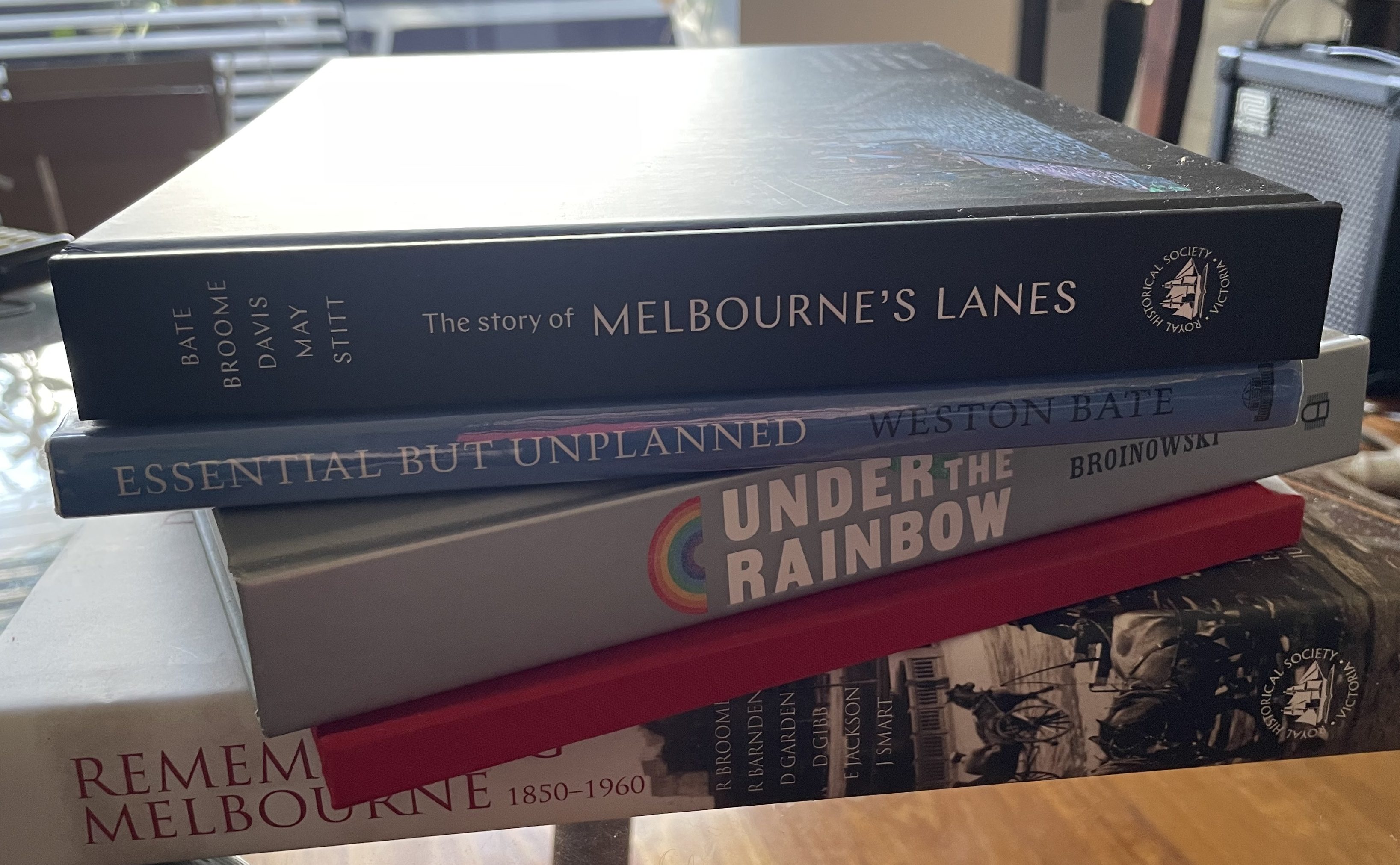


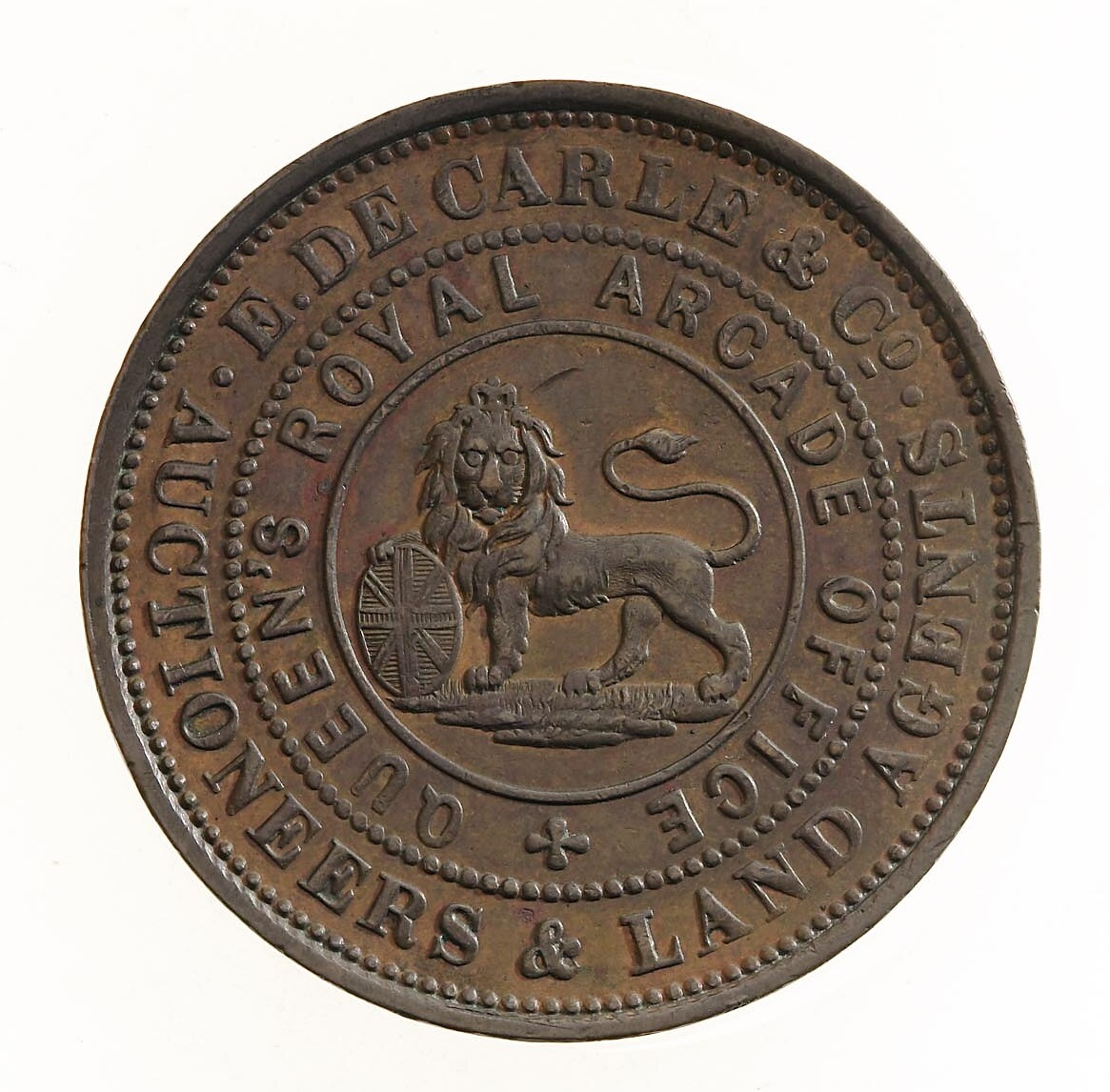


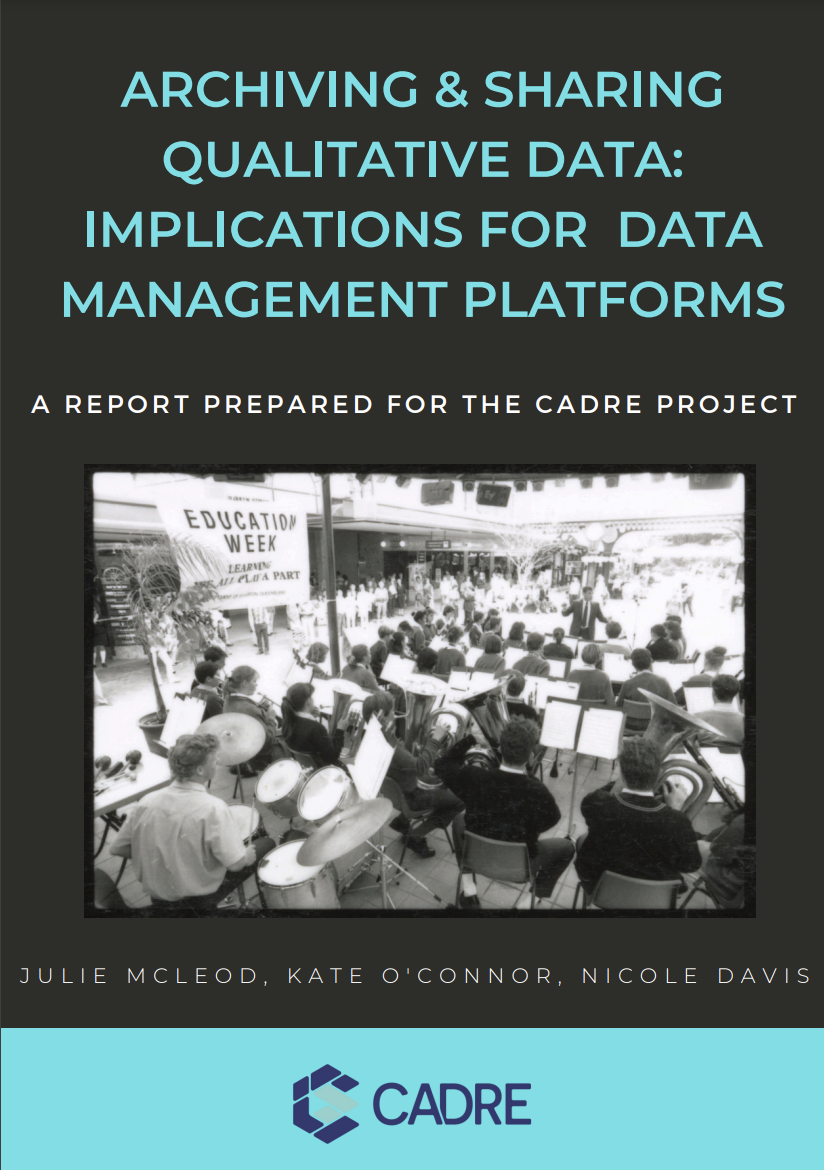


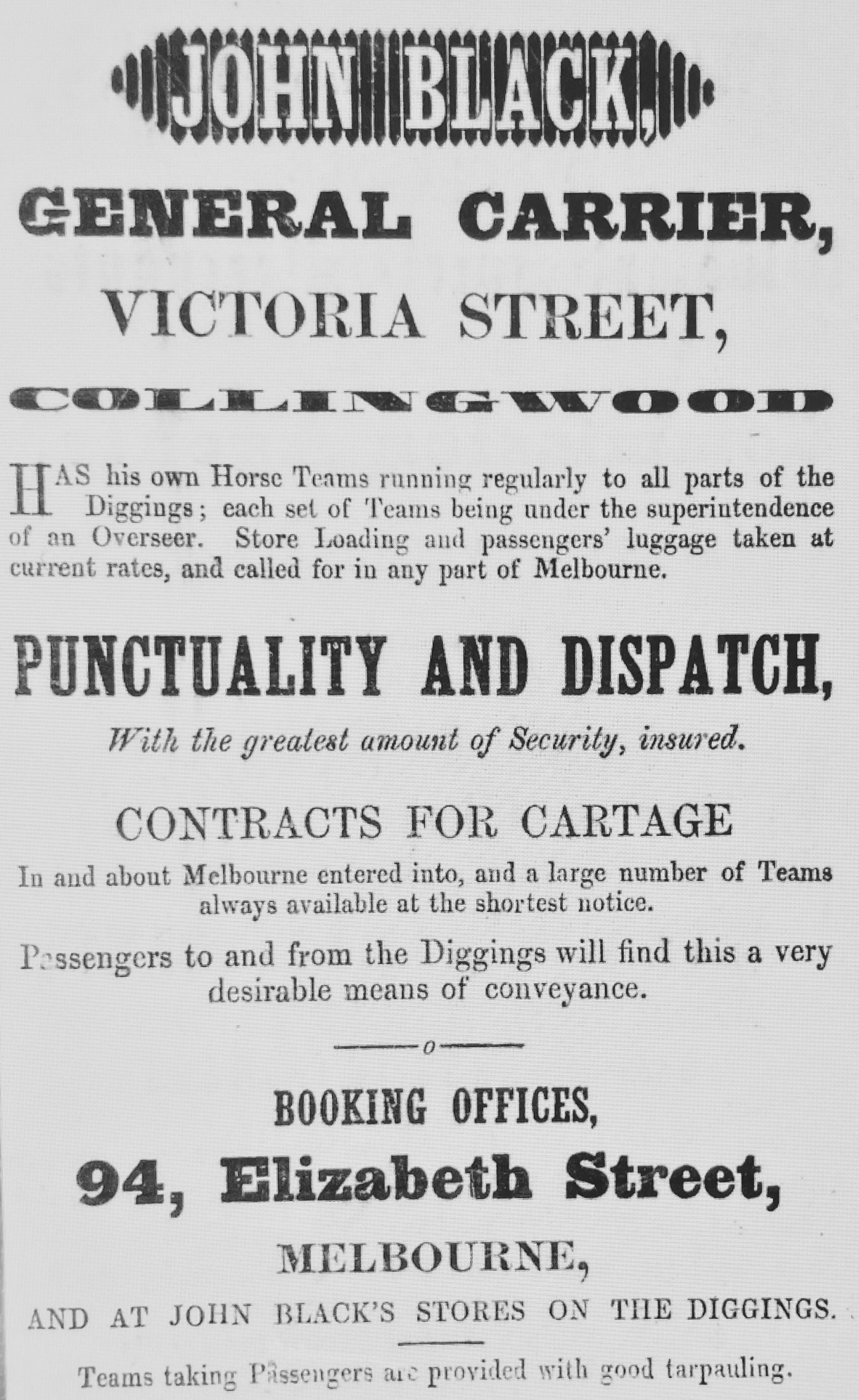


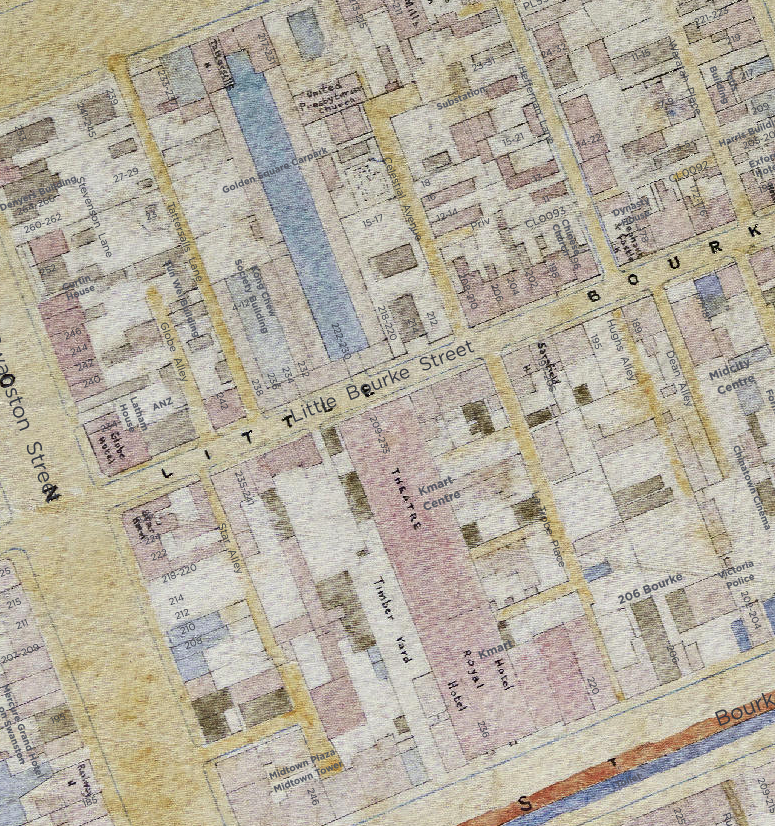

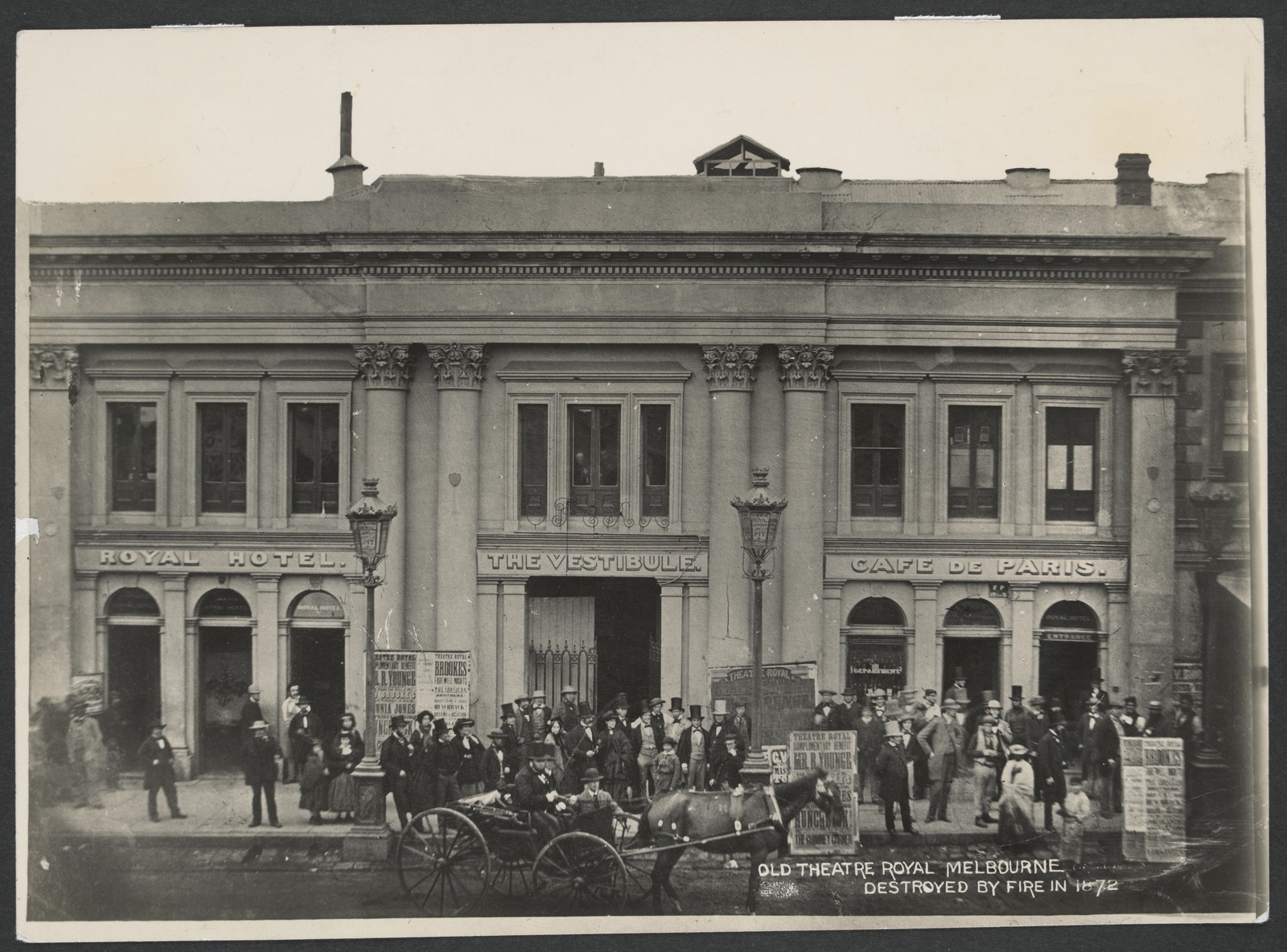

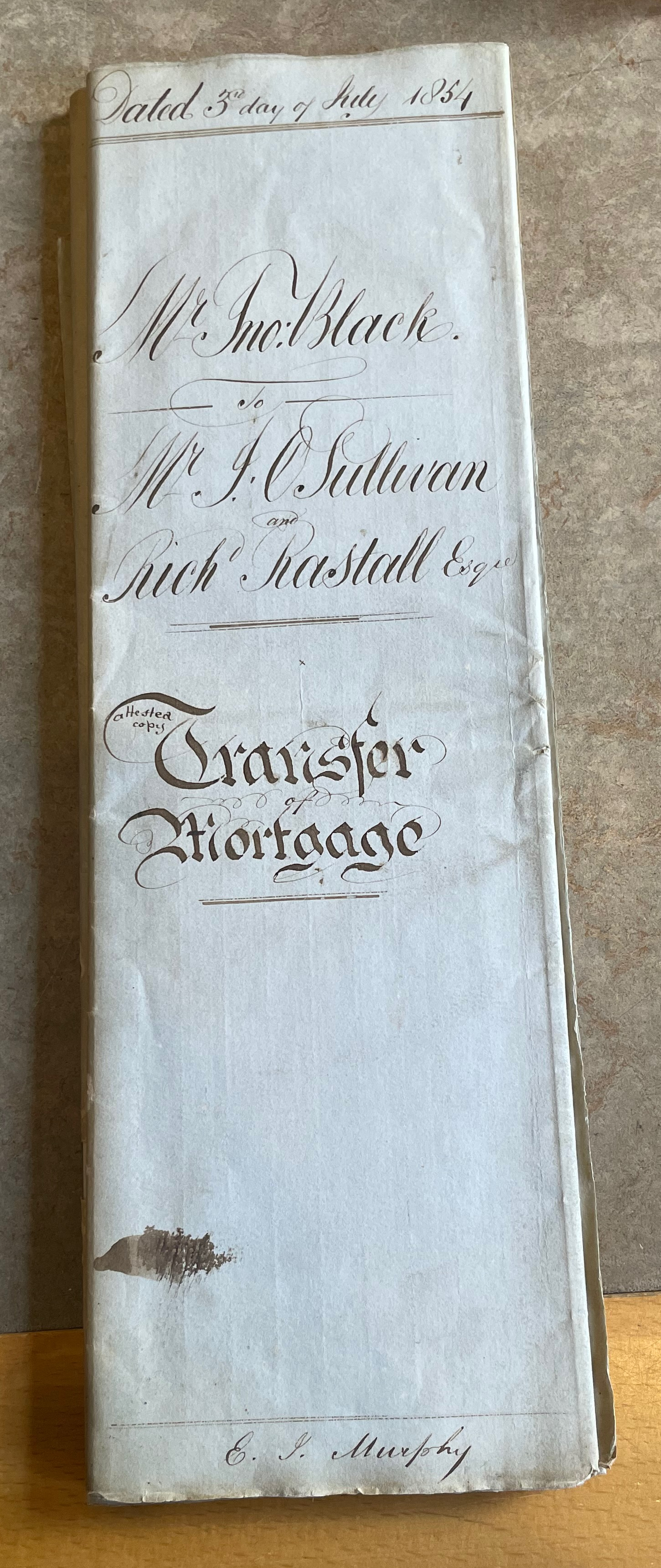

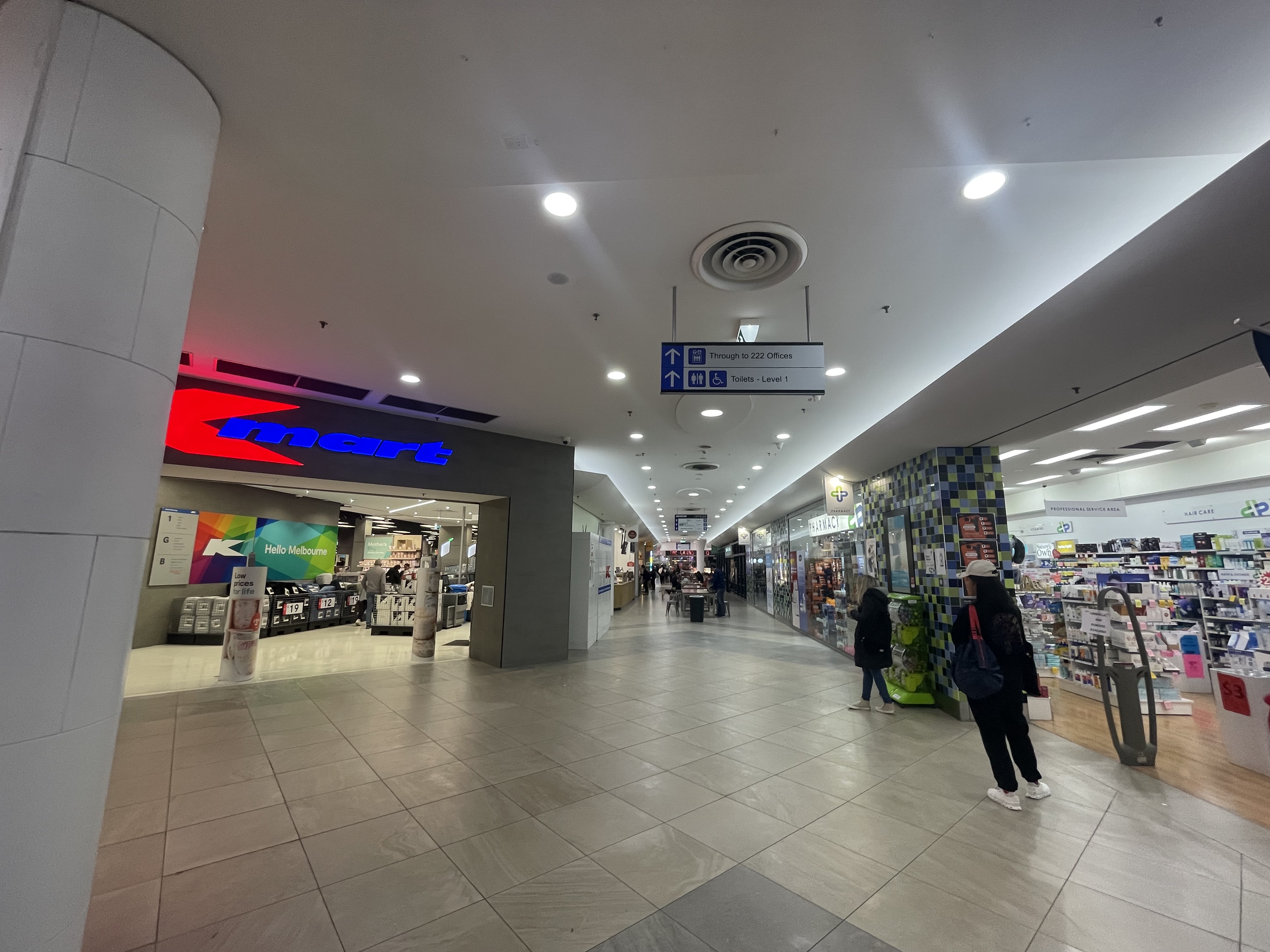


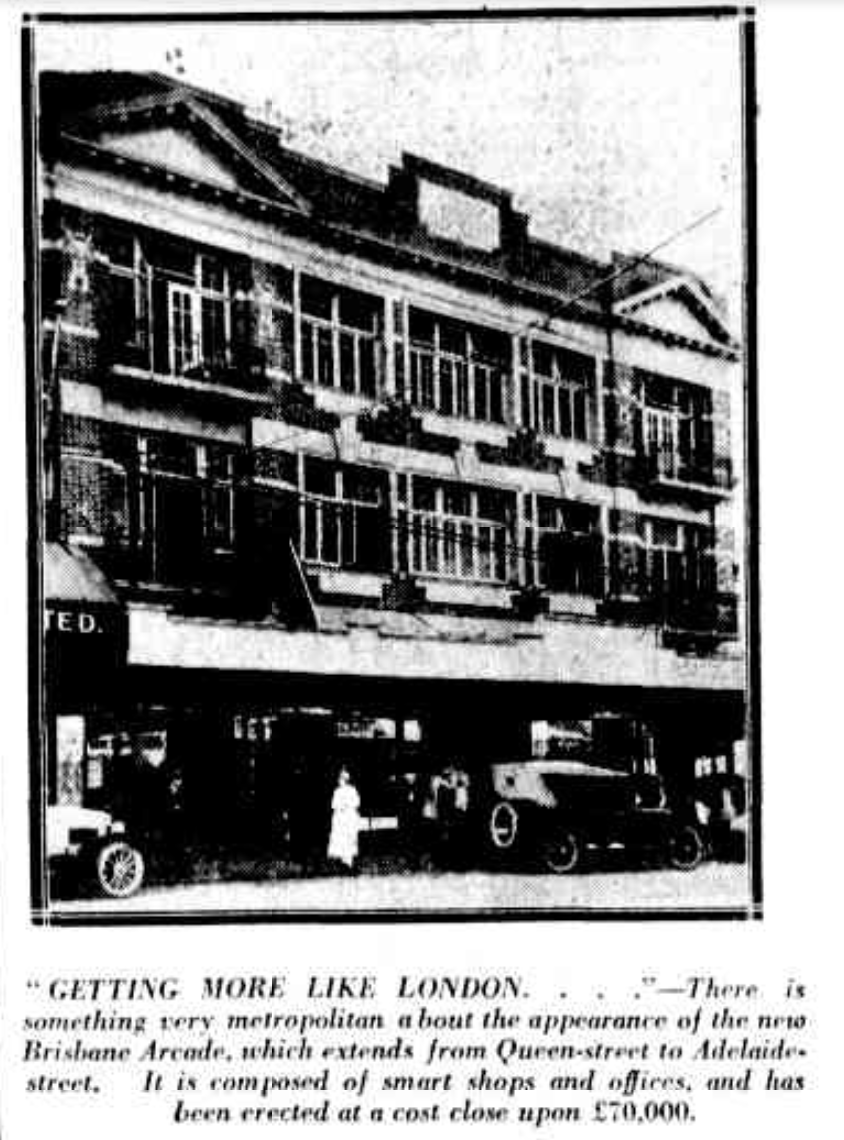


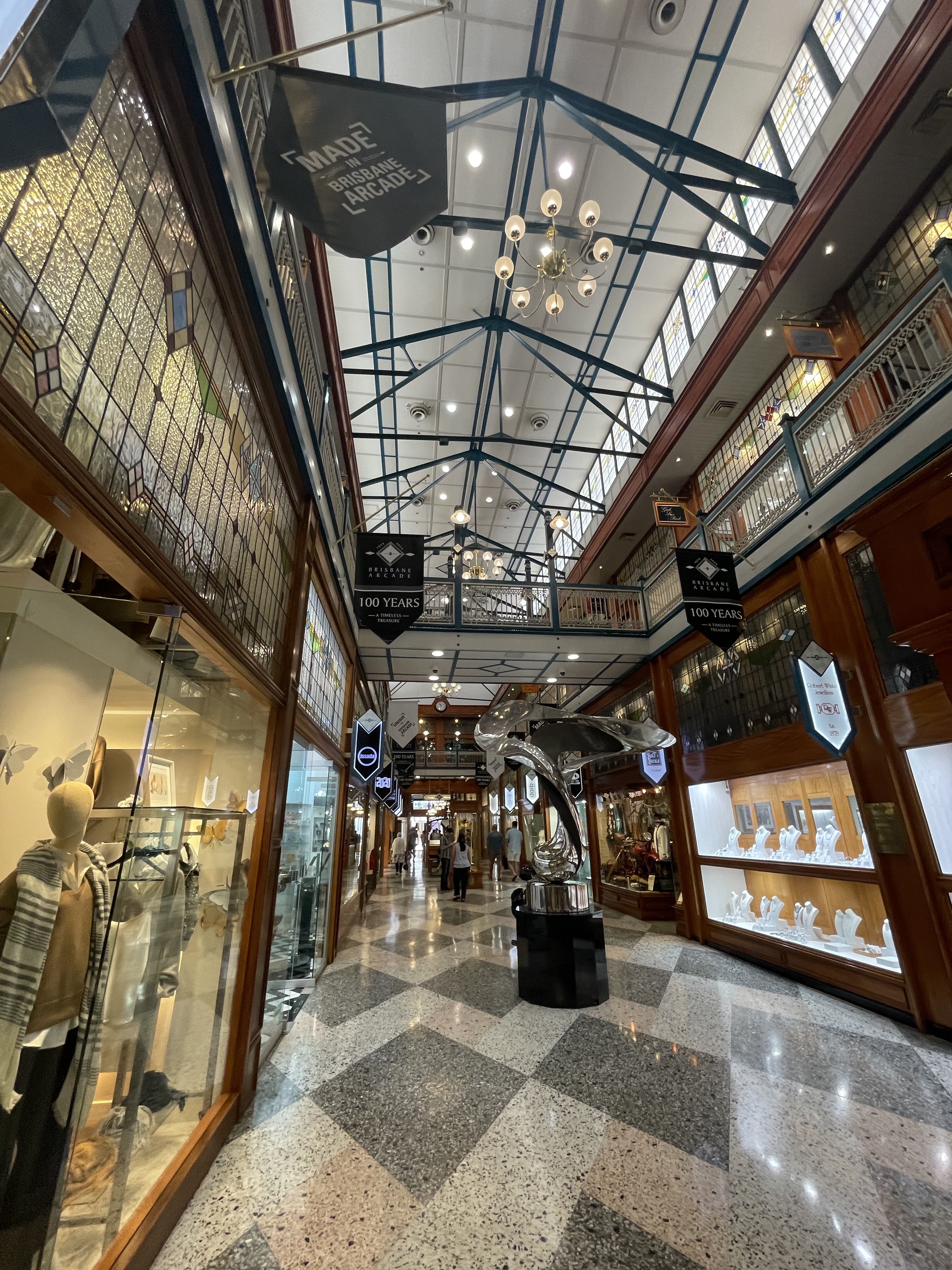
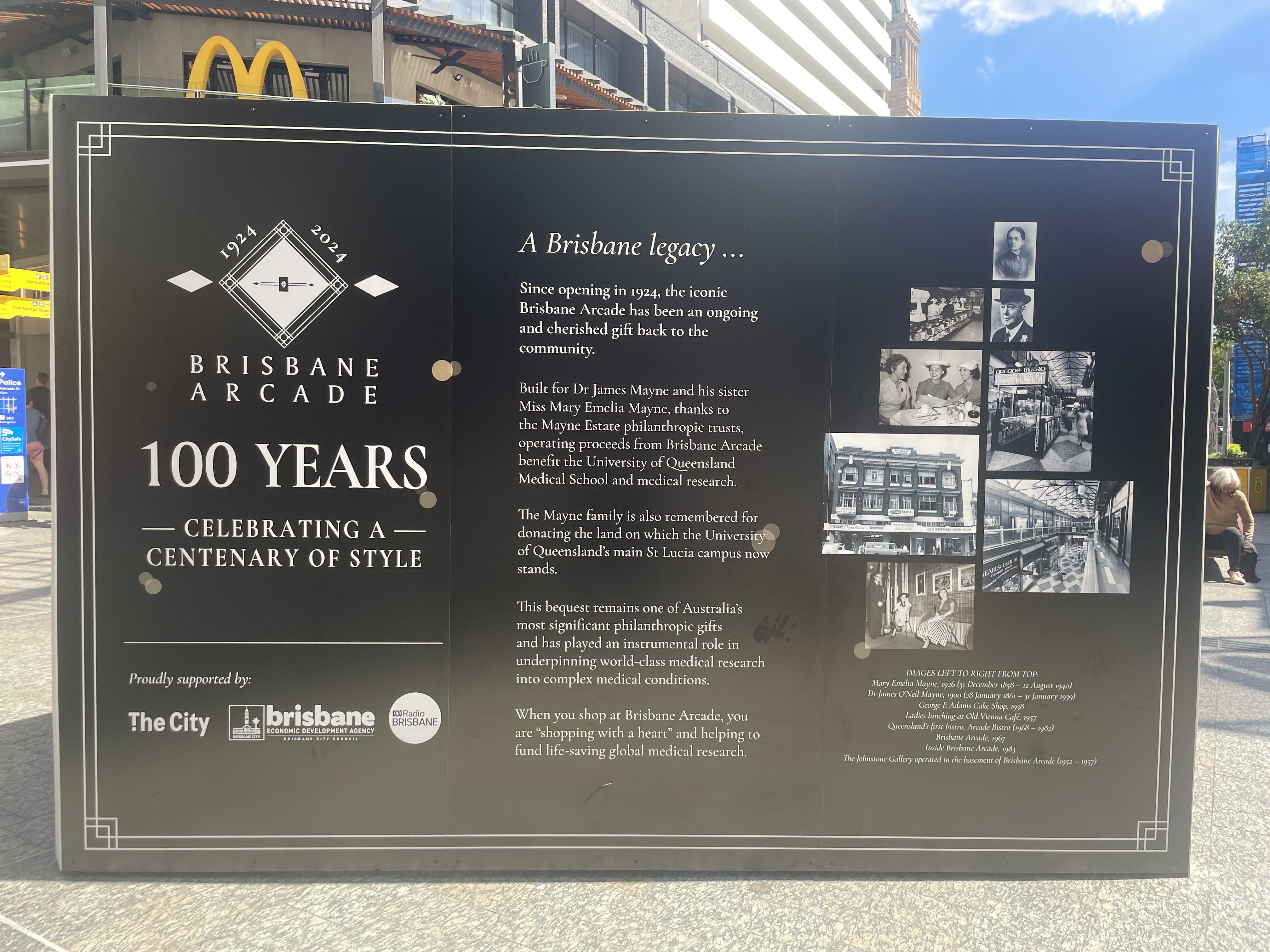

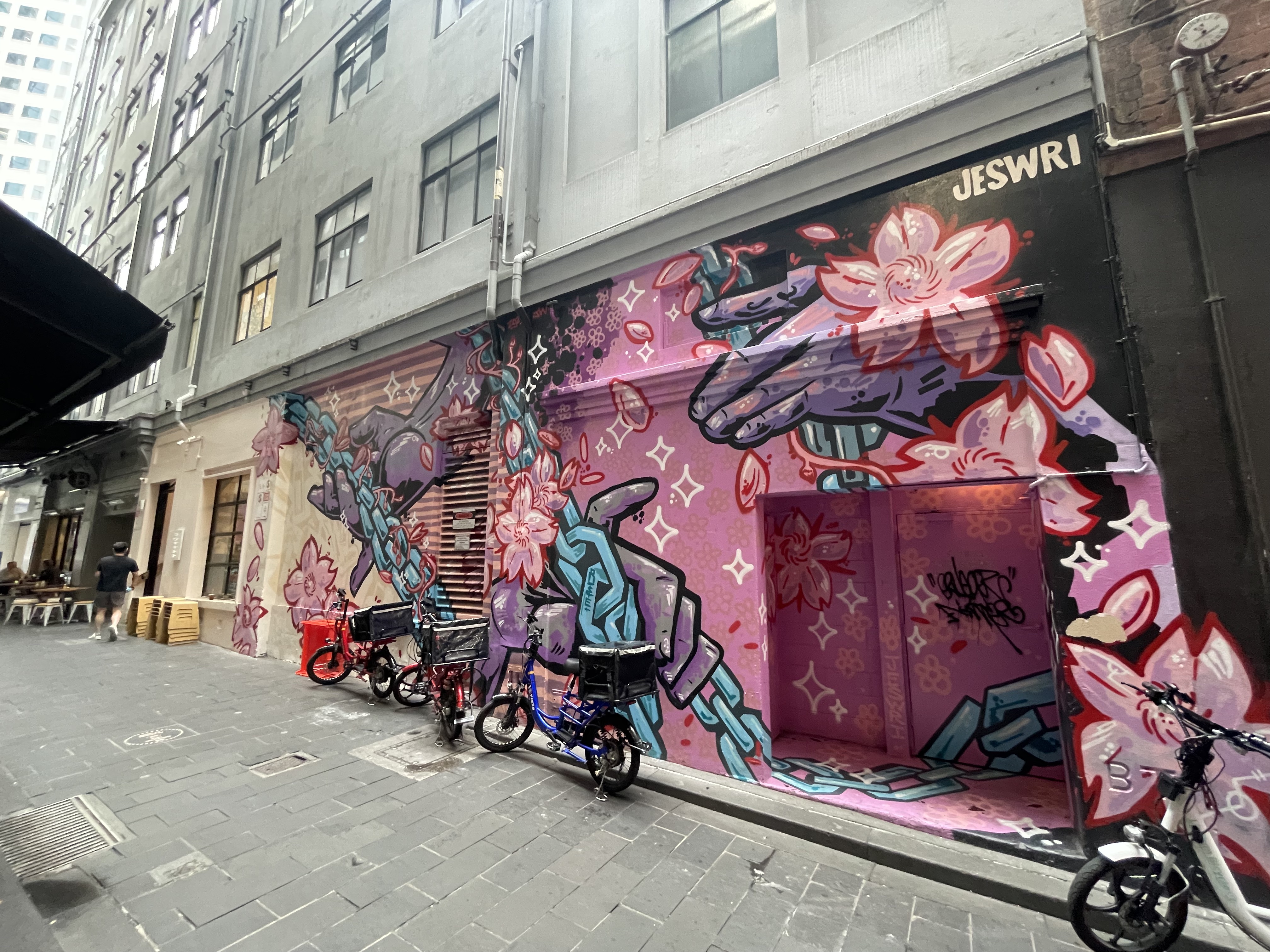


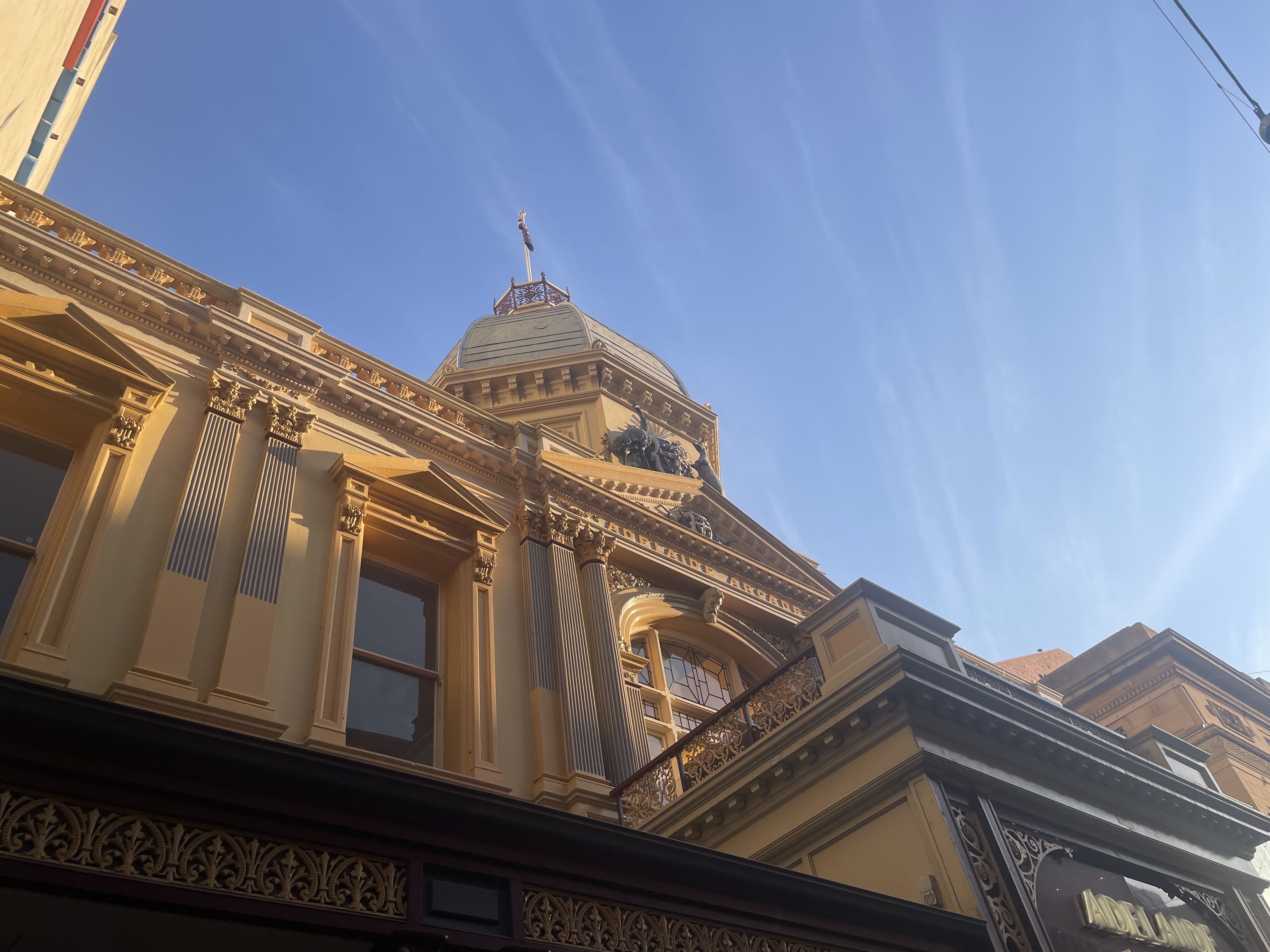

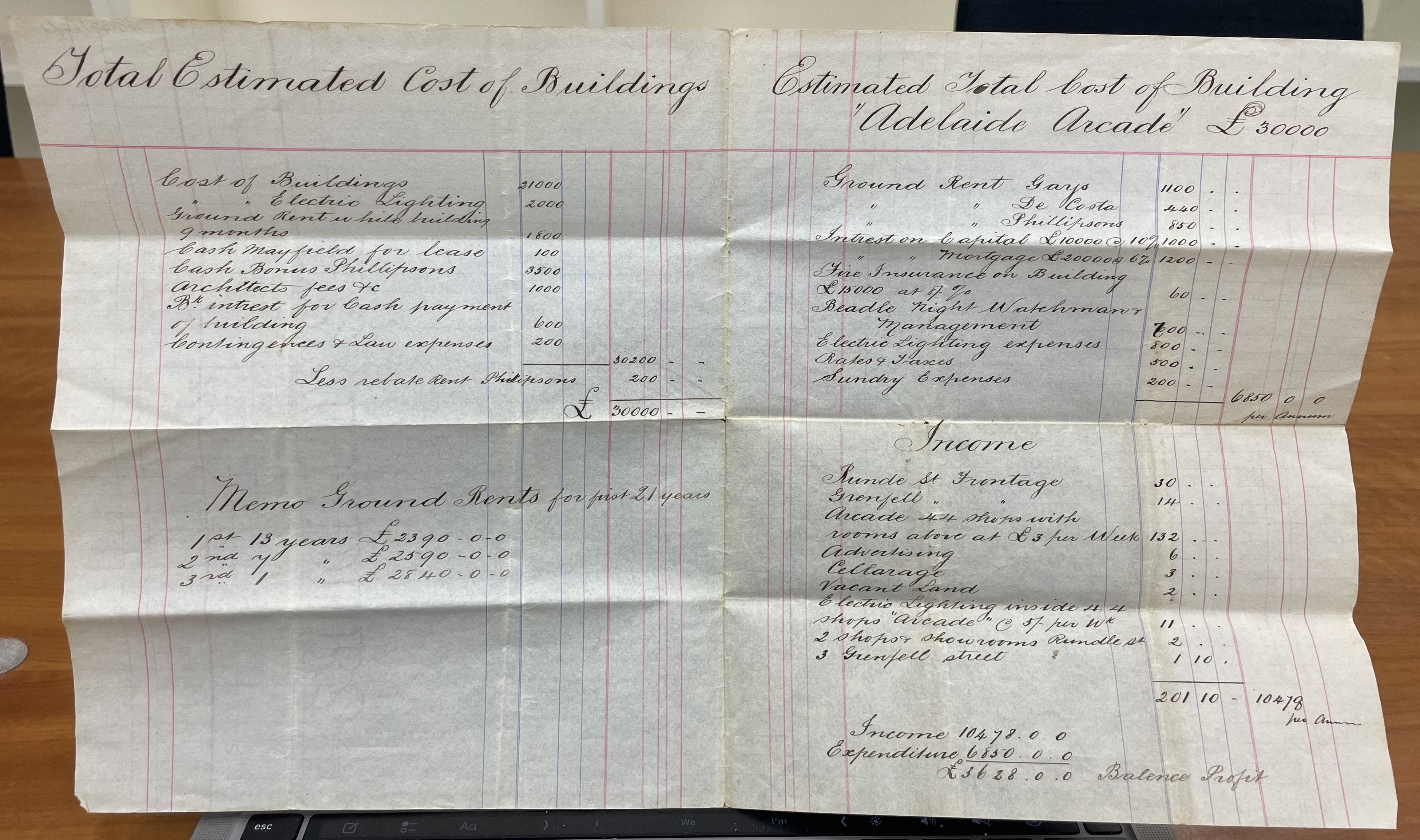


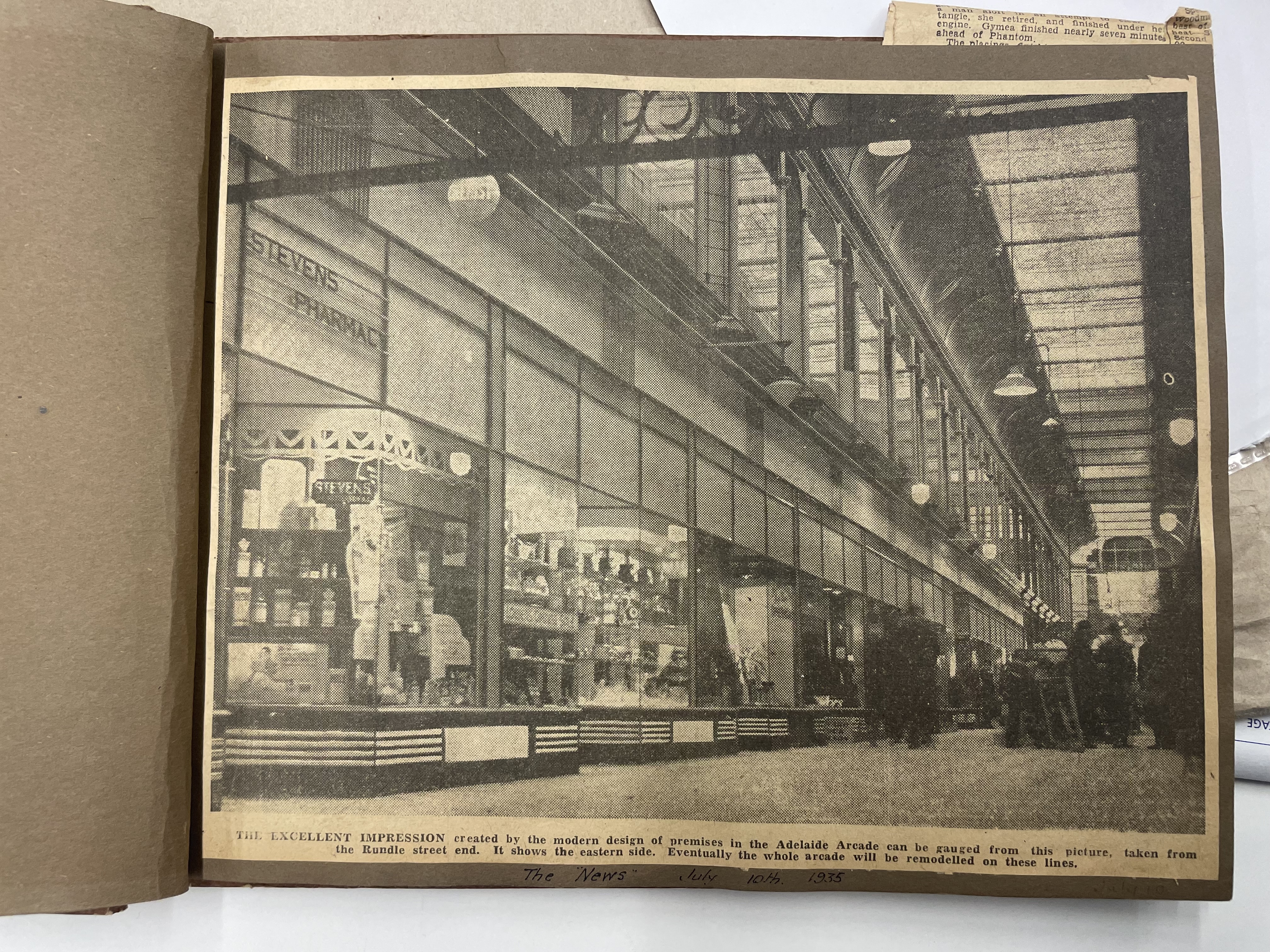


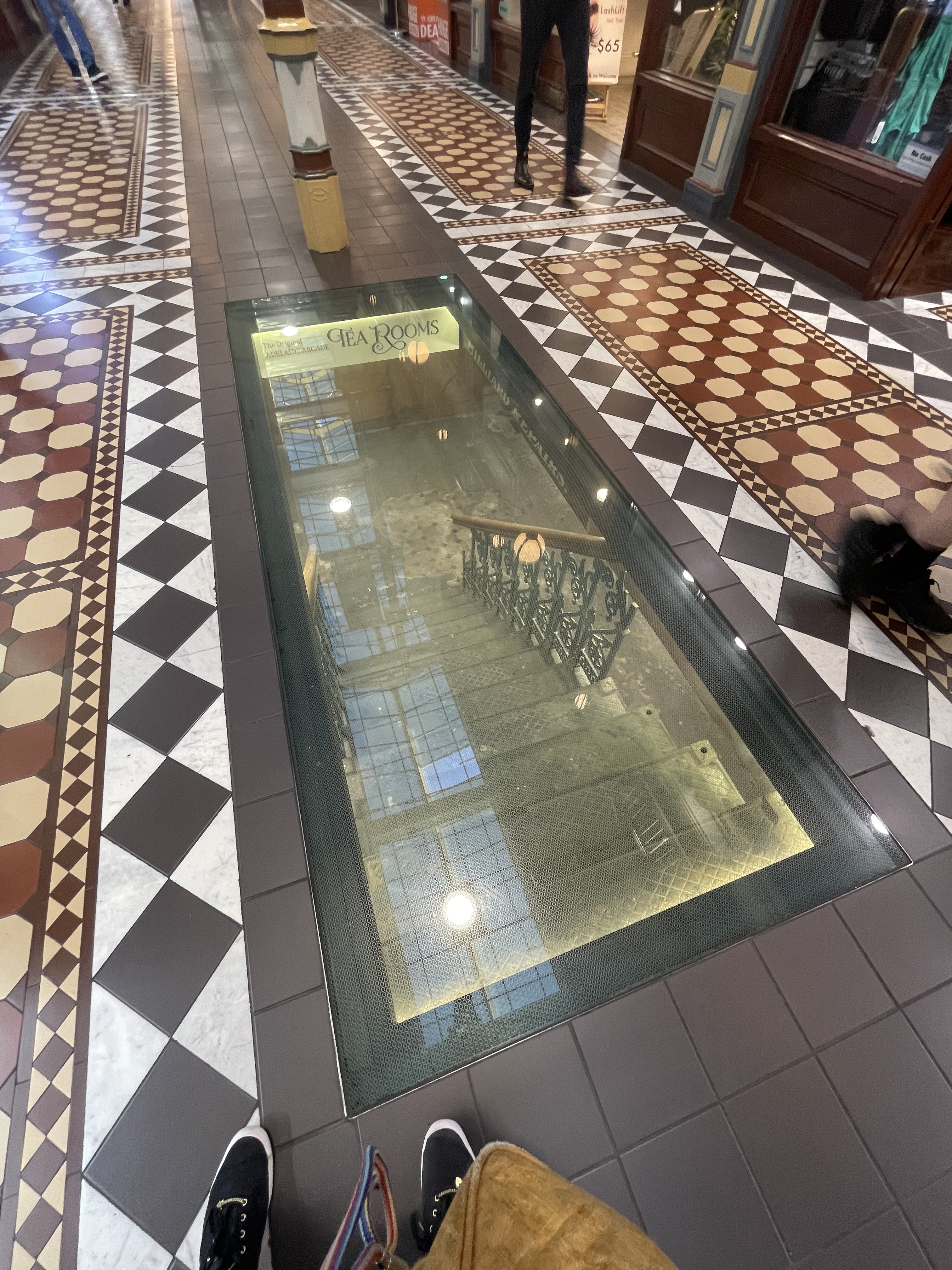


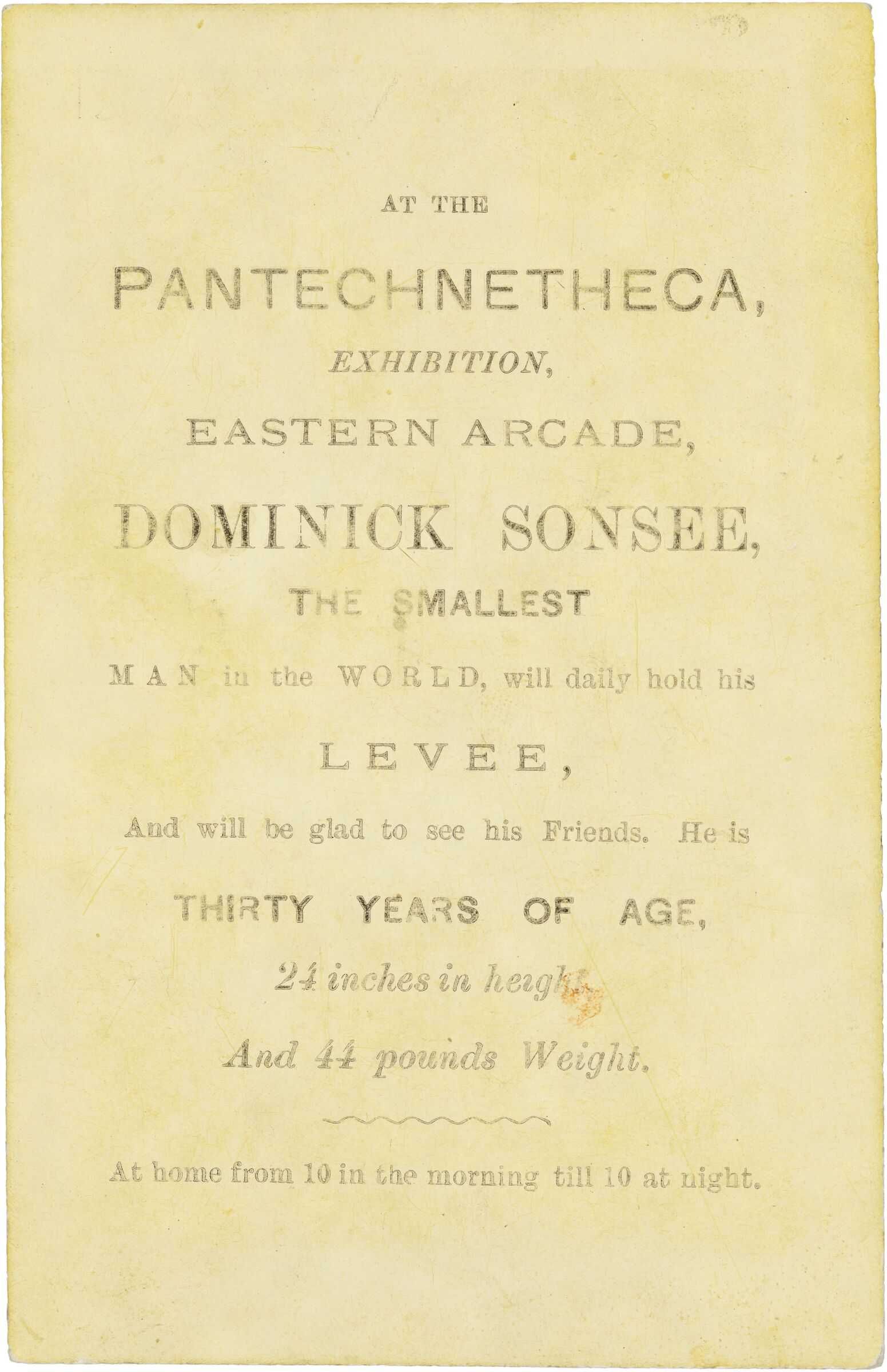
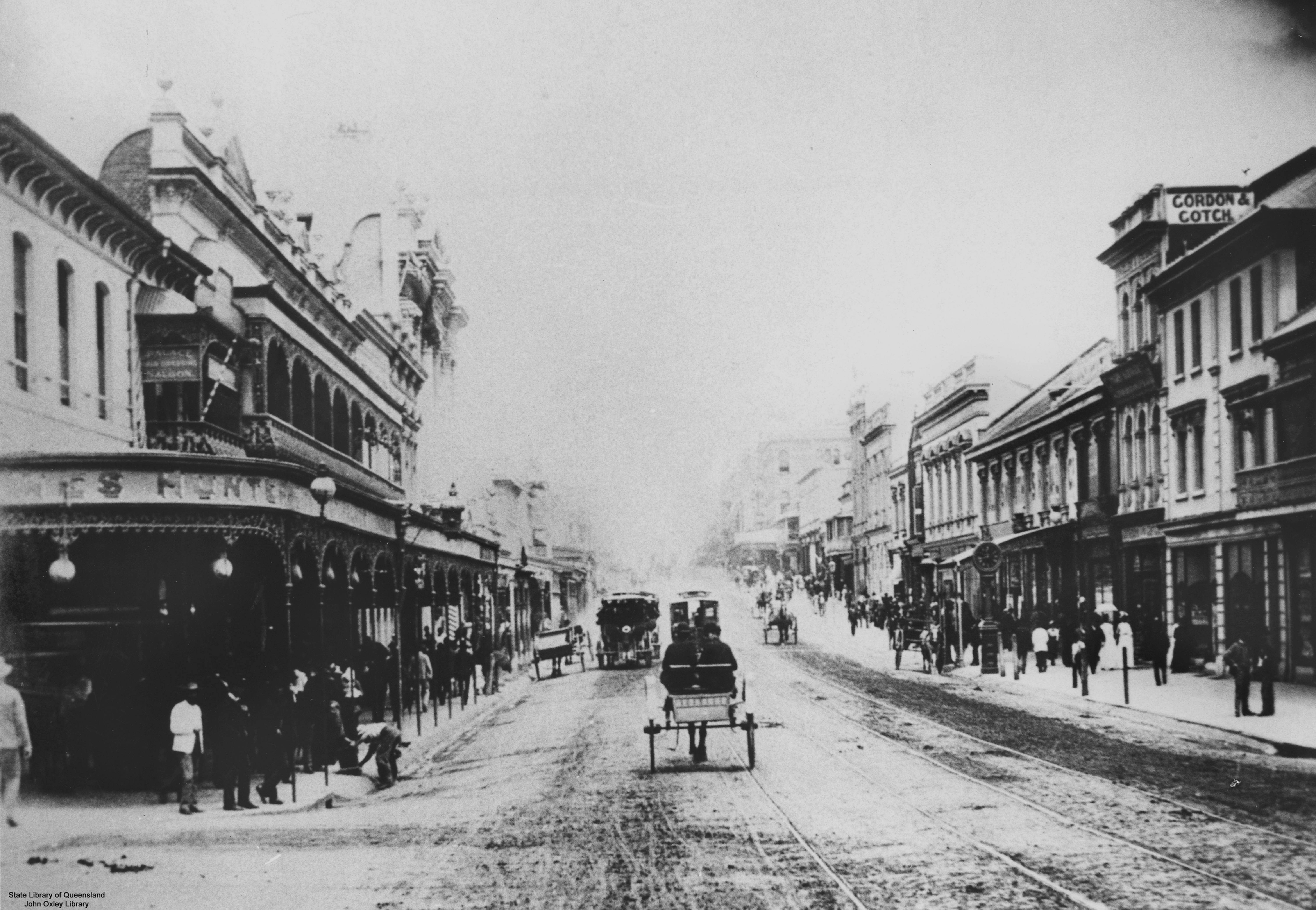


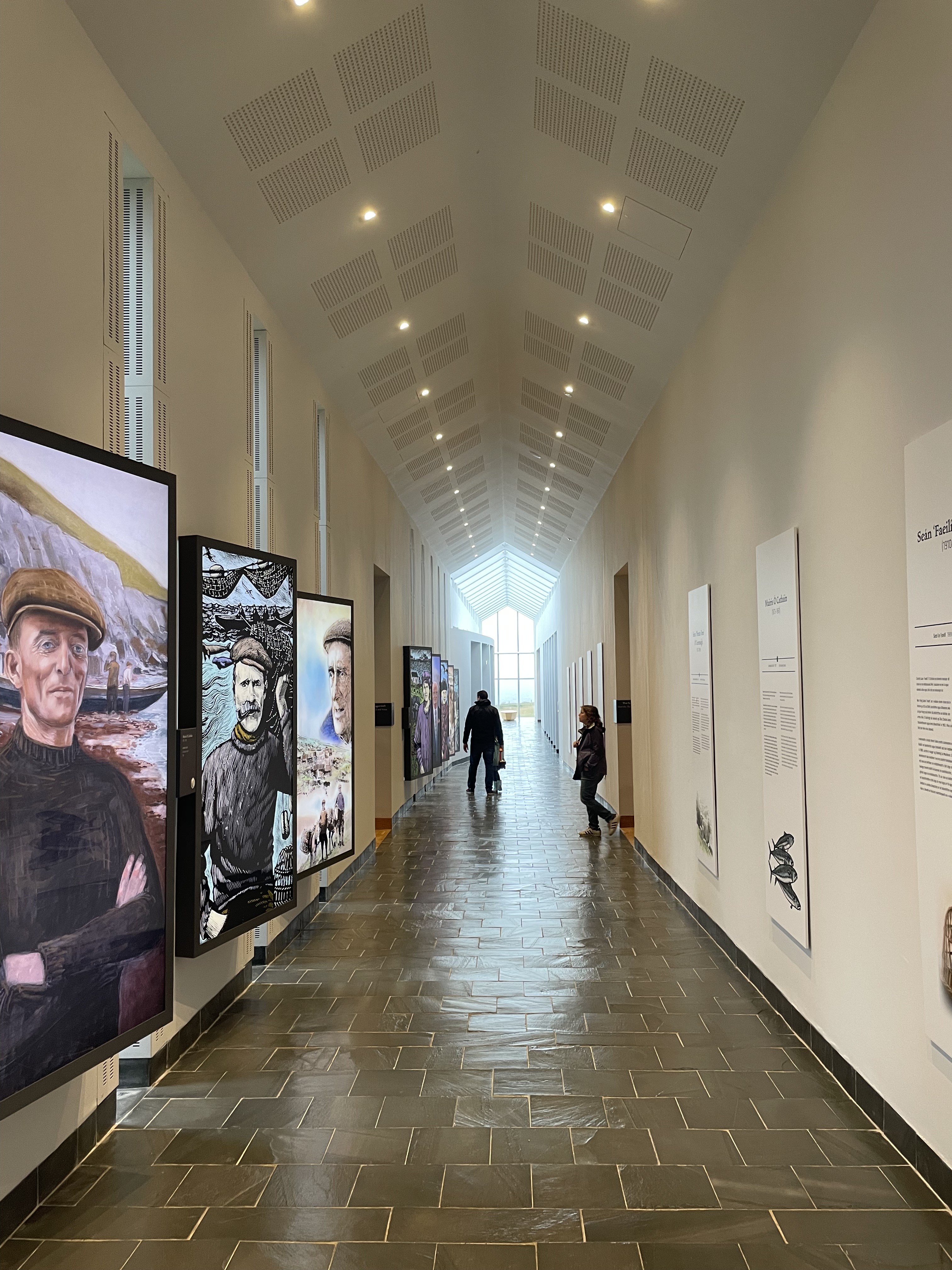


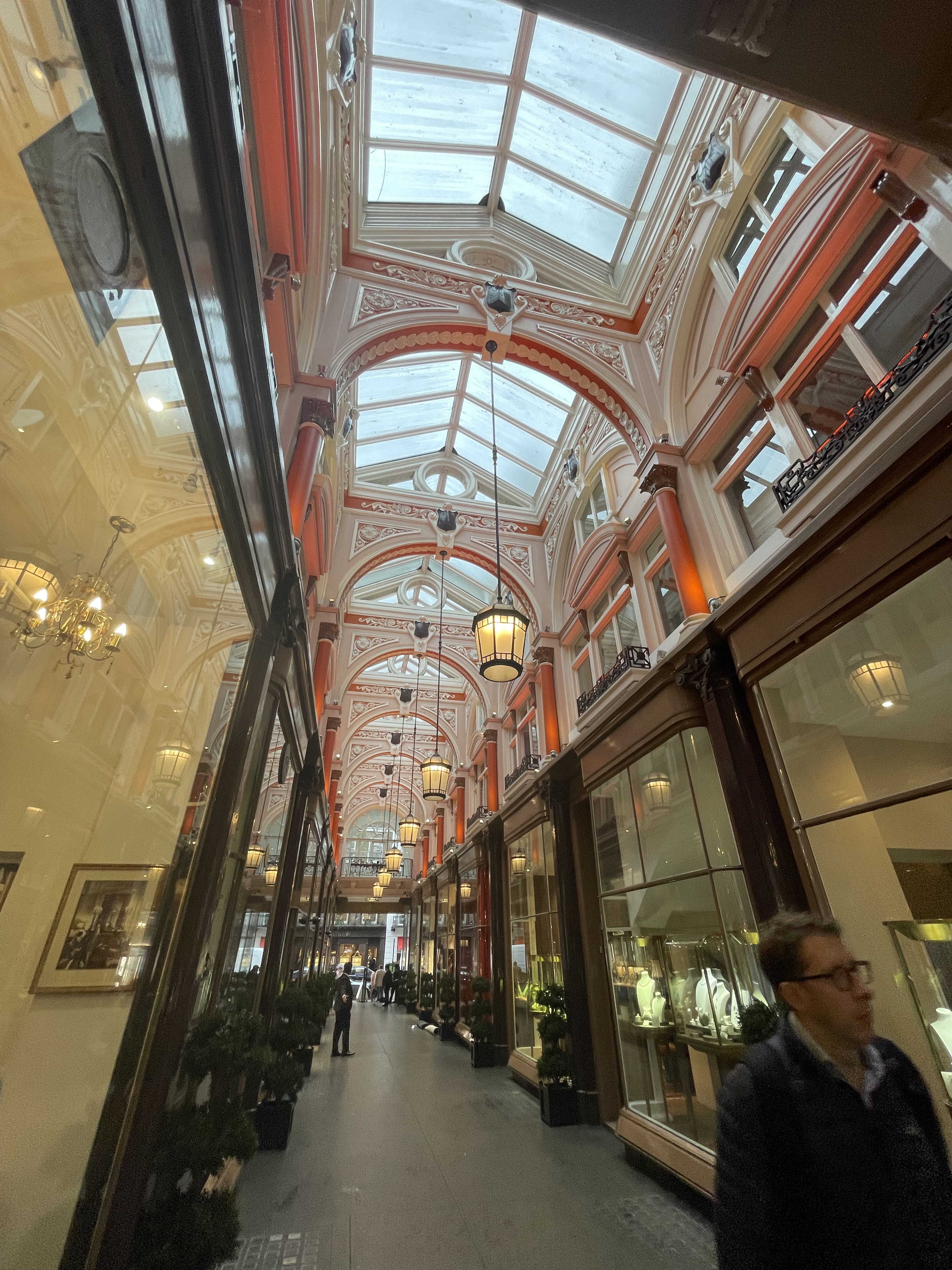


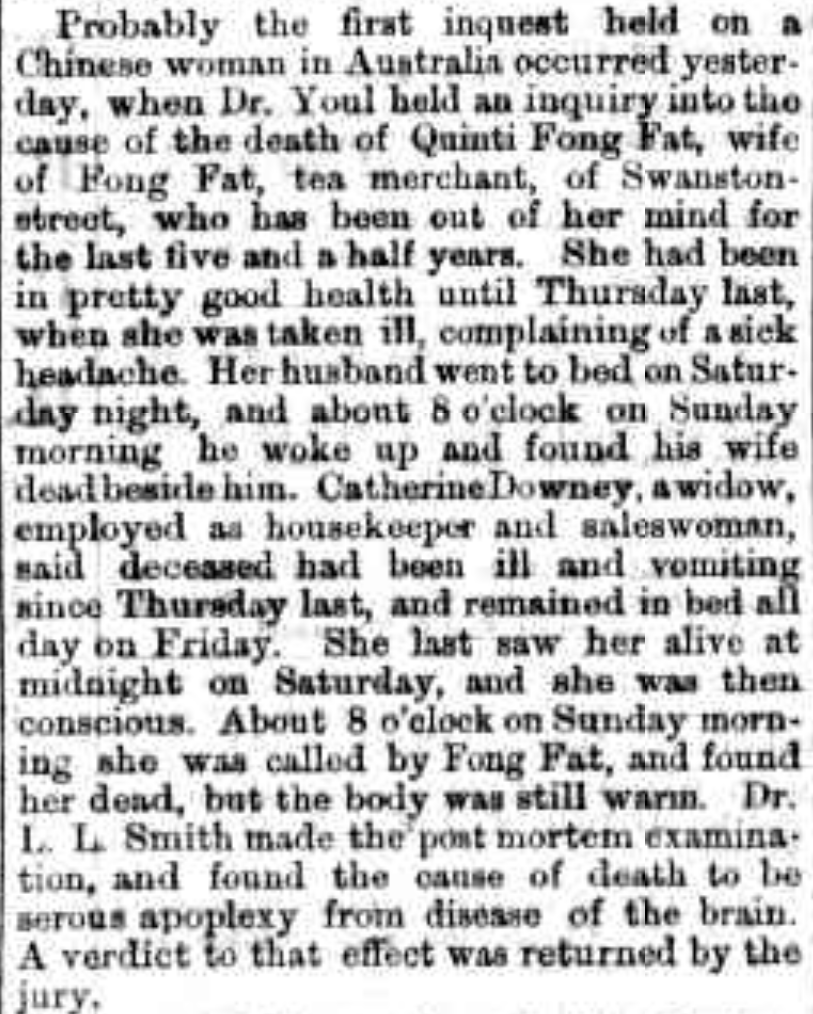


 A fashionable promenade