Hi folks! As is my wont occasionally, I do a post updating on all the things I’ve been up to over that past few months. You’ll notice usually it’s because I’ve done a talk or publication or some interesting research. And, often, it can stray far from the arcades … although there isn’t anything not related to them in my view!
This one’s a blockbuster!
The Story of Melbourne’s Lanes

First up the biggest of big news. In February 2024 when I did one of these updates, I talked about the Melbourne laneways book I’d been working on with fellow authors, Richard Broome, Andy J May and Helen Stitt. Well, we launched the other week!
This book is an update of Weston Bate’s 1994 classic Essential but Unplanned. We’ve swapped the title and subtitle around for 2024, making it The Story of Melbourne’s Lanes: Essential but Unplanned.
After my exciting unboxing event at home a few weeks ago, we launched the book at RHSV (Royal Historical Society of Victoria) on Thursday, 3 October. It was a very, very well-attended launch, with some wonderful speeches and we were thrilled to have some of Weston Bate’s family there to celebrate with us.
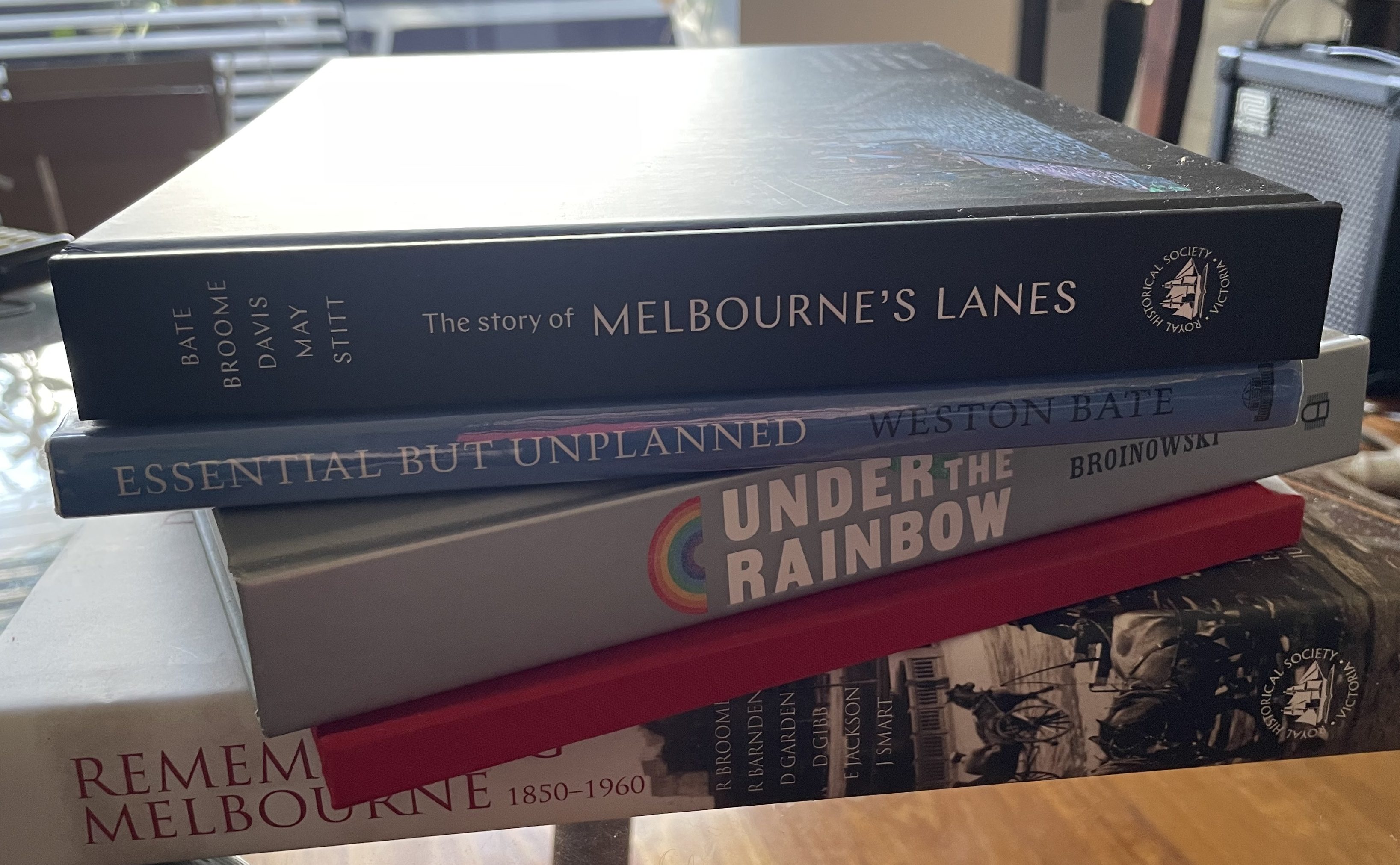
The book is the brainchild of our fearless leader and driving force, Richard Broome, along with Weston Bate’s wife, Janice. The first half of the book features Bate’s original text and layouts with some minor updates.
Helen did a mammoth and stellar job of sourcing high-res versions of all the images in the original book, for which no original publication files existed.
The second half comprises two new chapters by Andy May, assisted by me, discussing the last thirty-year evolution of the lanes. This is complemented by around 200 brand new all-colour images provided by the Hawthorn U3A Camera Club (and a few by moi), including several ‘then and now’ spreads.
We’ve also updated the fascinating indexes from the original book. One explores the origins of almost 290 lane names. The second is a list of just over 500 lanes we could identify and their presence at certain dates (sometimes a lane has been through more than one name change, which we also tried to track!)

Bate’s original book not only explored those passages we think of as lanes, but also included Melbourne’s arcades and covered passages. This meant that quite a bit of research for my thesis informed the indexes.
But my thesis only covered the nineteenth century, so I had to add to this research and update the book with those built over the 123 years since 1901.
I had done some preliminary work on this for the thesis but not a deep dive, so it was a big task, looking at countless maps, directories and other sources, and walking the city checking for new arcades.
While the book research showed that many lanes and arcades have been built over or demolished, many new ones have also sprung up in their place, particularly in newer developments that draw inspiration from the city’s much-loved lanes and arcades.
The Melbourne Walk was still in the process of building while I was finalising the proofs, but it was included nonetheless!
We’ve also been doing media for the book, which my fellow author Andy May has been collating on the Melbourne History Workshop website.
This includes me, together with Richard and Helen, on 3AW’s Sunday night series, Remember When, with Philip Brady and Simon Owens, which you can listen to on the player below.
Don’t forget too that the festive season is coming. If you celebrate, this will made a fabulous present! You can buy online through RHSV and in selected bookstores. I hope you love reading it as much as we did creating it!
Bury St Edmunds, England & Oakleigh, Melbourne: Connecting Streets
Another couple of projects came my way this year via the Melbourne History Workshop. The first was a small piece of work on the seemingly strange instance of Oakleigh in southeast Melbourne sharing street names with the city of Bury St Edmunds in Suffolk, England.
Andy May was contacted by a journalist, Ross Waldron, from the Suffolk News about it and it ended up with me, as I was in the depth of street name and Titles Office research for the lanes book.

It turned out that someone I knew was involved. Henry de Carle, a goldrush-era immigrant to Melbourne, had speculated in land in the area that was to become Oakleigh, naming the streets in his proposed development after those in his home town of …
… Bury St Edmunds …
To show that all is related to the arcades, I had previously done a little research on his brother Edward, who immigrated with his wife, Elizabeth, and brother, Henry, in 1850. Both brothers were merchants, and land speculators (sometimes in business together). One of Edward’s enterprises was …
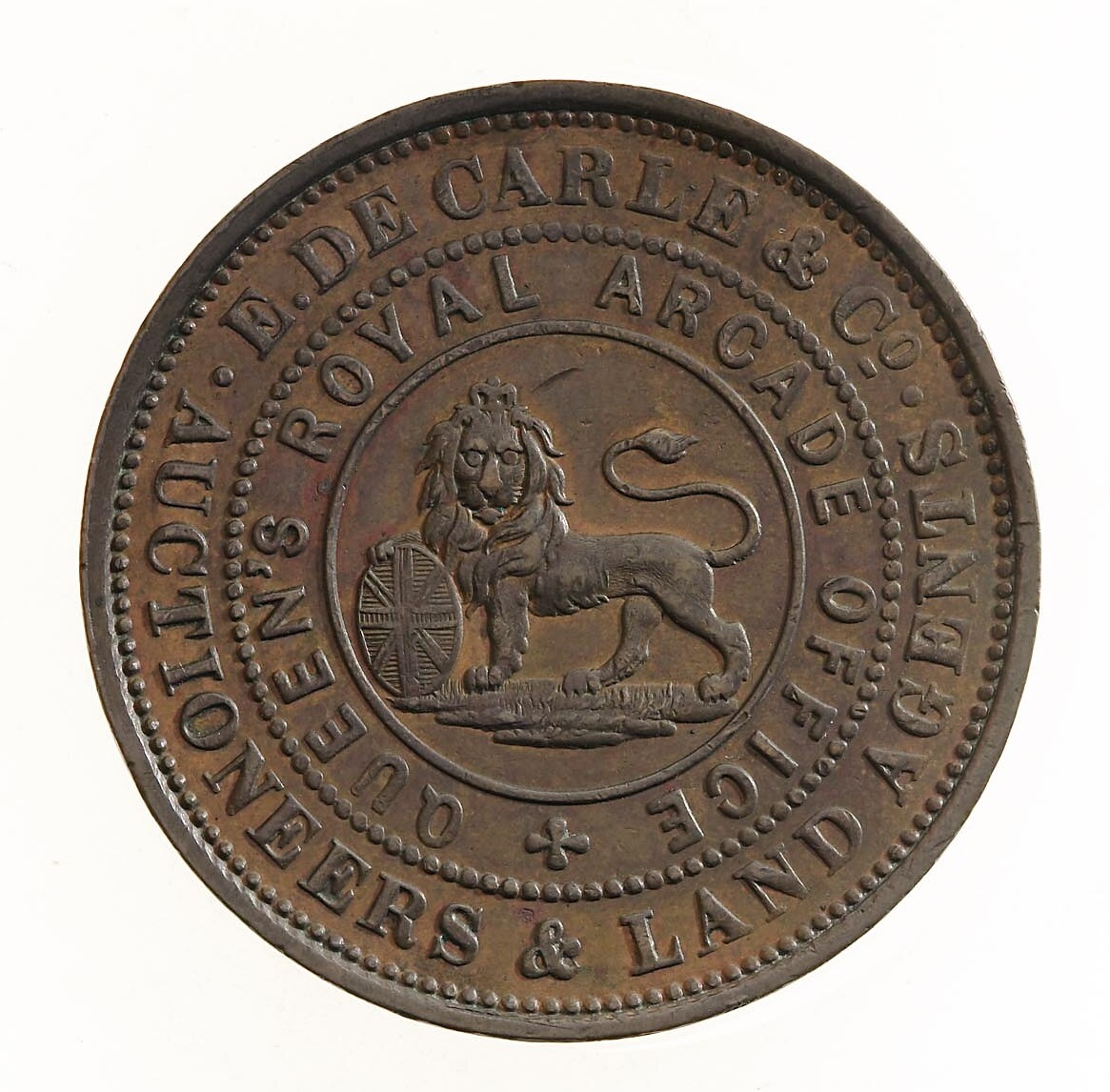
… The Queens Arcade …
about which I’ve written before, twice. In this case, Edward got together with a syndicate to finance and open the building and had his own business there.
I’m currently writing a podcast episode and I’ll do a more formal blog post or article on this topic at some point. In the meantime, you can read about this interesting story in Ross’s Suffolk News article.

Musical Melbourne: The Making of a Music City
The second activity was a mapping project on the history of Melbourne as a music city, based on the work of Dr Henry Reese, a colleague for many years.
Deriving from his PhD research and continuing interests in sound history, Henry developed a large database tracking music sellers in Melbourne from the mid-nineteenth century to the 1930s.
I supplemented this with some data on music venues in the city in specific time-periods. (I was actually working on my last blog post on the Victoria Arcade and Theatre Royal when I came onboard!)
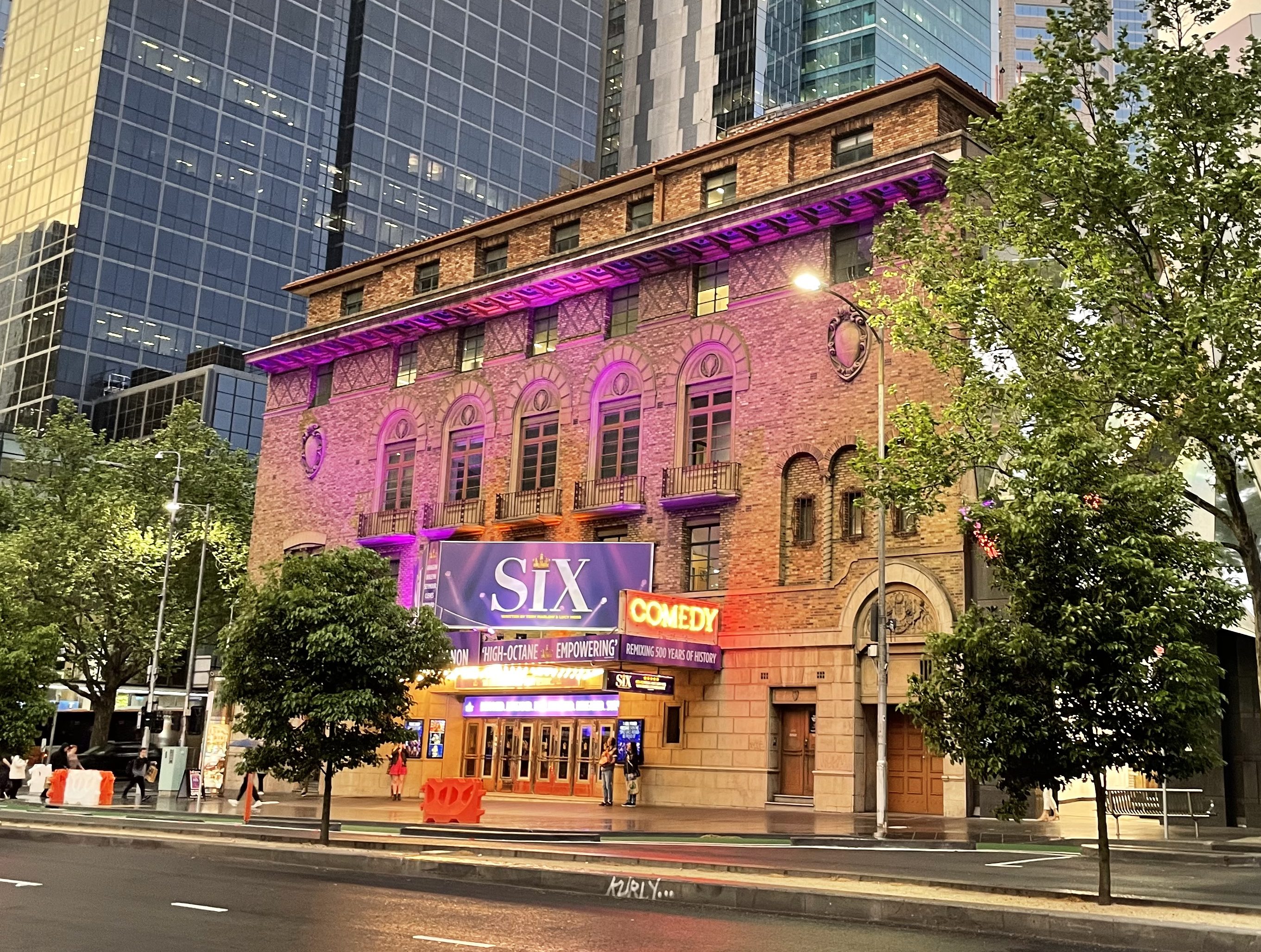
With Mitchell’s technical expertise (wizardry), we then layered this data over maps of Melbourne from these periods, using the PROV (Public Record Office Victoria) mapping platform, Mapwarper. The platform has thousands of preloaded digitised maps from PROV but you can also add your own.
Funded by PROV, the project resulted in the maps and a video presentation, which we’ve uploaded to YouTube. We are doing more work on this project at the moment, adding further data to the database and likely will come out with an updated video in the future.

You can read more about this project on the Melbourne History Workshop website. (If you’re accessing the map itself, it can work better on a small screen to reduce the size of the screen a bit.)
Other Publications
My other recent publications are a little less related to arcades but they definitely inform work I’m doing at the moment on those buildings. These all come out of my last few years working in the digital archiving space.
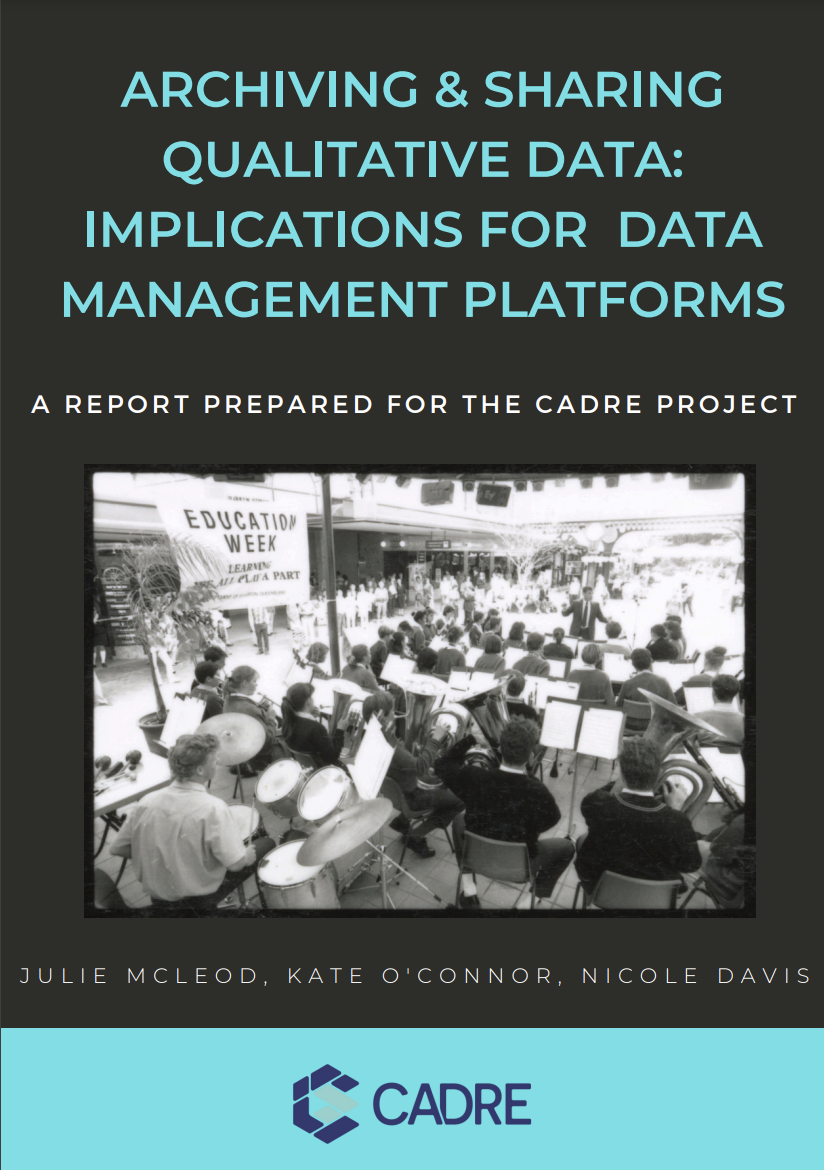
These include two reports for the major project we worked on over the past few years: CADRE (Coordinated Access for Data and Research Environments), building a platform to make research data more accessible.
Our role was to assess the work for its relevance to and possibilities for qualitative research data, leading on from work we’d done previously on archiving, sharing and reusing this type of data, including its ethical dimensions.
Co-authored with Julie McLeod and Kate O’Connor, Archiving and Sharing Qualitative Data: Implications for Data Management Platforms and Governance of Qualitative Data Sharing in Australia can be found on the Australian Policy Observatory website.
Also deriving from this work, Julie, Kate and I also published ‘The Ethics of Archiving and Sharing Qualitative Data’, a chapter in the new Routledge Handbook of Human Research Ethics and Integrity in Australia.

It was such a pleasure to be asked to contribute to this volume, and feels like it was, the culmination of ten years working in the field of Education history and sociology.
This was something I really just fell into but has provided a totally different dimension to my academic work and continues to inform my work as a historian and museum and heritage professional.
They also mark the end of an era for me working on various projects in the field over the past decade, including histories of progressive education; placemaking and education; qualitative data archiving, sharing and reuse; oral histories of education; and the ethics in qualitative data research.
Although I still have some writing to work on in that field, I wonderfully have started a full-time role as a historian in the heritage and museum sector; work that is really the coming together of all my history, heritage, and museum career experience over the past couple of decades.
And Back to Arcades
Currently I’m also writing on arcades (of course): a couple of journal articles and several public talks in 2025. This includes one for the Old Treasury Building’s Material Histories online seminar series on the theme The Fashion Cycle: from Retail to Reuse.
I’ll be presenting on the arcades as sites of modernity and commodity consumption, while my friend and colleague Laura Jocic with be talking about the lifecycles and reuse of garments.
And, most importantly, a book that comes out of my thesis research on Australia’s Nineteenth-Century Arcades is underway!

 A fashionable promenade